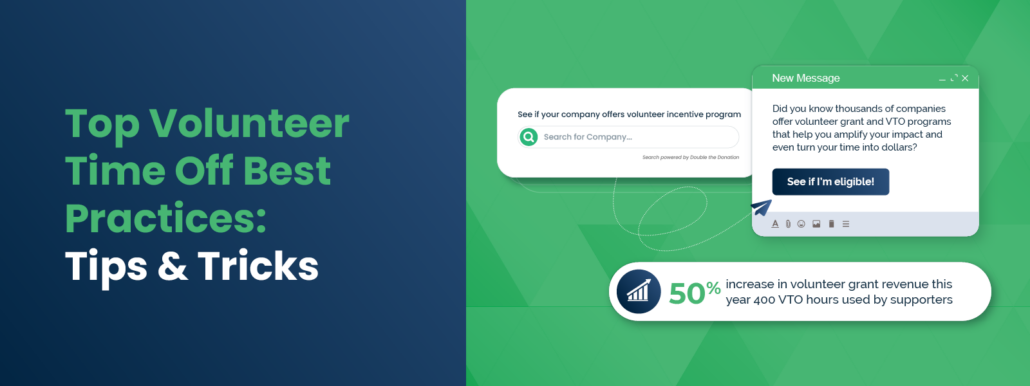
Top Volunteer Time Off Best Practices: Tips & Tricks
In the dynamic landscape of nonprofit management, securing reliable volunteer support is often just as challenging as securing funding. Organizations frequently struggle to fill shift rosters, particularly during standard business hours when most potential supporters are tied up at work. However, a growing trend in corporate social responsibility is changing this dynamic. Volunteer Time Off (VTO), a corporate benefit where employees receive paid time off to volunteer, is bridging the gap between professional obligations and community service. For nonprofits, advocating for and leveraging these programs is not just a nice-to-have strategy; it is a critical operational tool that can revolutionize how you staff your programs.
Despite the immense potential of VTO, many organizations fail to fully capitalize on it because they treat it as a passive benefit rather than an active recruitment tool. By implementing specific volunteer time off best practices, you can transform your volunteer management strategy. This involves shifting from simply accepting help to actively identifying eligible employees, tailoring your outreach to fill your hardest-to-staff hours, and communicating the unique value of these corporate partnerships.
In this comprehensive guide, we’ll cover:
- The definition and strategic value of Volunteer Time Off programs
- How to capture employment data during registration to drive engagement
- Leveraging VTO to fill critical daytime volunteer slots
- Strategies for communicating the high-level impact of VTO hours
- Marketing these opportunities through digital channels
- Identifying top companies with generous VTO policies
- Measuring success and stewarding corporate relationships
By mastering these practices, you can turn the standard 9-to-5 barrier into a new avenue for engagement, ensuring your mission is supported by a steady stream of dedicated, corporate-backed volunteers.
Understanding Volunteer Time Off (VTO)
Before executing a strategy, it is essential to understand exactly what you are leveraging. Paid volunteer time off is a mechanism through which employees partake in volunteer activities during work hours for regular pay. It is a specific type of employee benefit where team members receive a set number of hours designated for volunteerism above and beyond their existing paid time off (PTO).
The prevalence of these programs is growing rapidly. Currently, 66% of employers provide some sort of paid time off program for volunteering. Among companies that offer paid VTO, the average benefit is 20 hours per employee per year, which equals about 2.5 working days. This represents a massive pool of untapped hours that nonprofits can access.
Did You Know? The number of companies offering VTO has increased by 2 in 3 over the last decade. This surge reflects a shift in corporate culture where businesses are actively seeking ways to engage employees and support local communities simultaneously.
For the volunteer, VTO removes the primary barrier to service. Statistics show that 49% of individuals state work commitments are their biggest obstacle to volunteering. Furthermore, 62% of individuals report that the ability to volunteer during business hours would be the top factor for a positive experience. By targeting VTO, you are directly addressing the needs of your supporters while solving your own staffing challenges. Here are some best practices for doing so!
Best Practice 1: Collect Employment Info at Registration
The most critical step in leveraging VTO happens before a volunteer ever sets foot in your facility. You cannot promote relevant VTO opportunities if you do not know where your supporters work. Therefore, one of the most effective volunteer time off best practices is to integrate employment data collection directly into your registration and signup processes.
Here’s how you can do so:
Capture Data Upfront: When a supporter signs up for a shift or registers as a volunteer, include a field for “Employer” or “Company”. This should not be an afterthought; it should be a key part of your intake form. By knowing their employer immediately, you can determine if they have access to VTO benefits before they even attend the event.
Automate the Discovery: Advanced volunteer management integrations can streamline this process. For example, as a volunteer enters their information, a seamless integration can prompt them to search for their employer. If they select a company like Disney or Verizon, the system can instantly identify if that company offers a volunteer incentive program.
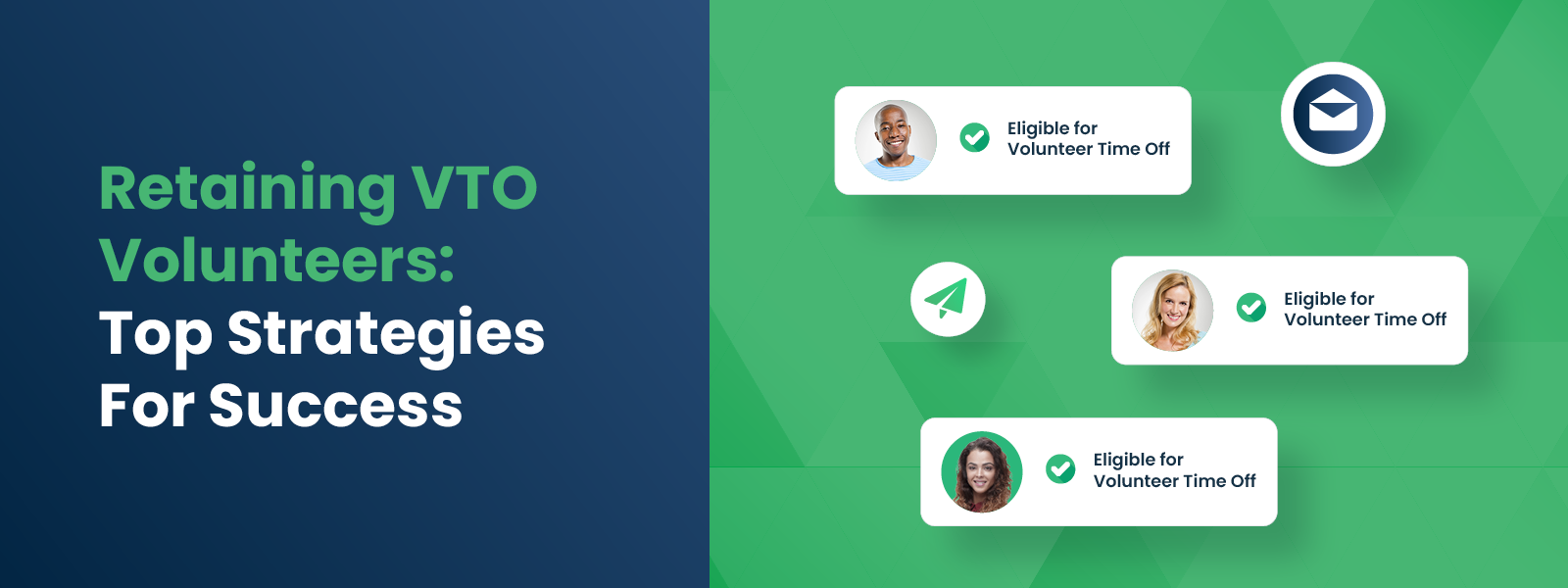
Incorporate Pre-Event Promotion: Once you have this data, you can tailor your pre-event communications. Instead of a generic confirmation email, you can send a personalized message: “We see you work for [Company Name]. Did you know they offer paid time off for volunteering? You might be able to use your VTO hours for this upcoming shift!” This proactive approach educates volunteers who may be unaware of their own benefits and encourages them to utilize them for your cause.
Best Practice 2: Fill Hard-to-Fill Volunteer Slots
One of the most significant operational headaches for nonprofits is finding coverage during the workday. Most volunteers work 9-to-5 jobs, leaving them available only on evenings and weekends. VTO is the perfect solution to this problem because it is specifically designed for volunteering during work hours.
Targeted Scheduling: Use your employment data to identify volunteers who work for companies with VTO programs. When you have gaps in your Tuesday morning or Thursday afternoon schedules, target these specific segments with your outreach. Frame the request around their benefit: “Take a break from the office and use your VTO hours to support us this Wednesday.”
Pitching “Civic Time Off:” Some VTO programs are categorized as “Civic Time Off”. This framing is particularly useful for administrative or skills-based volunteering that must happen during business hours. If you need a graphic designer or an accountant, pitch the opportunity to professionals at VTO-eligible firms as a way to use their work hours for social good.
Host Group Events During the Week: Encourage existing volunteers to organize group events with their colleagues during the workday. If a volunteer works at a VTO company, they can rally their team for a Wednesday afternoon service project. This fills multiple slots at once and creates a reliable pipeline of daytime support.
Best Practice 3: Communicate the Impact
To encourage utilization, you must articulate why using VTO matters. It isn’t just about the volunteer getting a paid day off; it is about the tangible value they bring to your organization. Volunteerism provides nonprofits with operational support without added costs.
Monetizing the Hour: When discussing VTO, quantify the value. Explain that by using VTO, volunteers are essentially donating their professional time to your cause. This support allows you to redirect funds that would have been spent on staffing or contractors toward direct mission delivery.
Enhancing Retention: Supporters are more likely to get involved and continue their support over time when their time is compensated by their employer. By encouraging VTO use, you are actually helping to build a more sustainable and loyal volunteer base. Communicate this to your supporters: “Using your VTO helps you stay consistent with your volunteering without burning out your personal free time.”
Highlighting Skill-Based Contributions: Corporate employees often bring professional expertise to the table, such as copywriting, graphic design, accounting, or legal services. When asking for VTO, highlight how these specialized volunteer skills provide affordable access to knowledge that accelerates your mission.
Best Practice 4: Promote VTO on Digital Channels
Awareness is the biggest hurdle. You need to make sure your supporters know that VTO exists and that you welcome it. A multi-channel marketing approach is essential for driving participation.
Create a Dedicated Web Page: Establish a dedicated “Volunteers” or “Corporate Engagement” page on your website. This page should serve as a centralized hub for resources, explaining what VTO is and listing top employers with programs. Explicitly state: “Check out our Volunteer Time Off page to see if your company offers a program”.
Incorporate Social Media Advocacy: Market volunteer time off programs on your social media channels. Share graphics that ask, “Does your company pay you to volunteer?” Include engaging visuals and testimonials from volunteers who have used VTO. Tag local businesses known for their programs to increase visibility.
Implement Smart Email Marketing: Incorporate VTO messaging into your regular newsletters. Use snippets like, “Monetize your volunteerism with employee volunteer grants or VTO”. Segment your lists to send specific VTO reminders to subscribers who have identified their employers in previous surveys or forms.
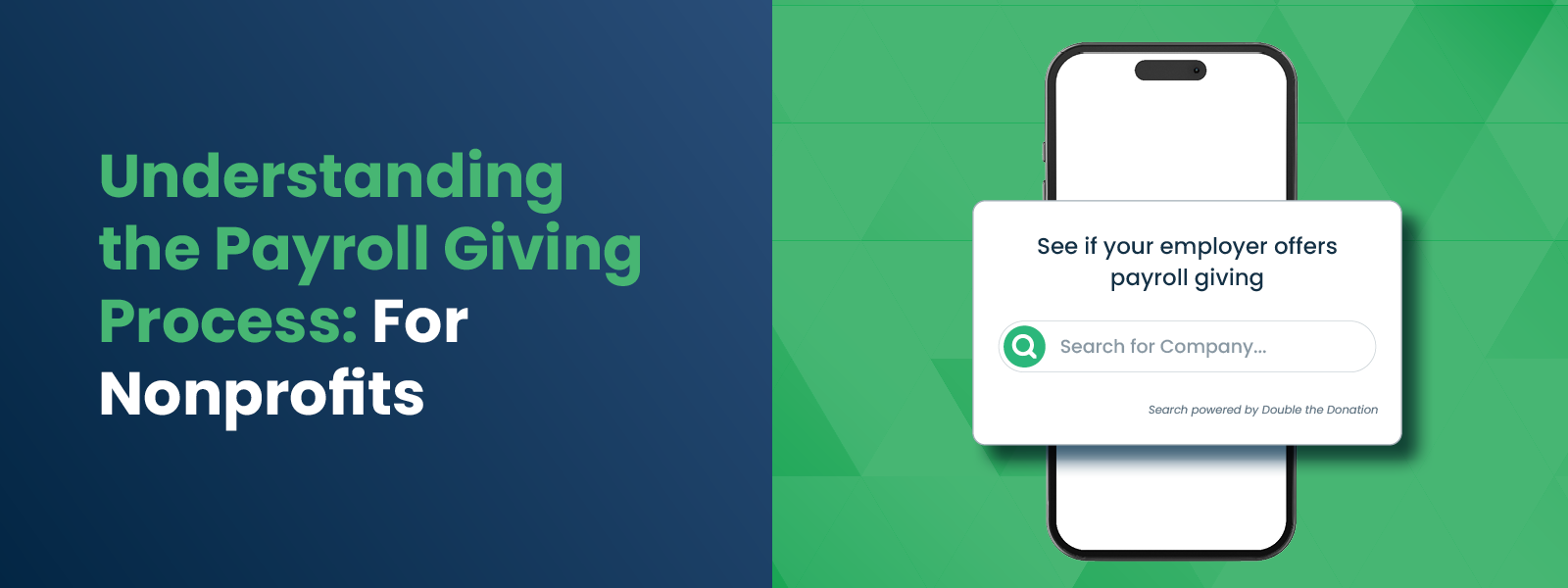
Quick Tip: Use a database tool on your website to allow volunteers to search for their eligibility. A simple search widget can instantly tell a user if their company offers VTO, minimum hours required, and links to forms .
Best Practice 5: Follow Up After the Event
The engagement loop isn’t closed until you’ve followed up. Even if a volunteer didn’t use VTO for a specific event, a post-event follow-up can plant the seed for next time or prompt a retroactive request if the company allows it.
Automated Thank-Yous: Set up automated email streams that trigger after a volunteer completes a shift. In the thank-you email, include a section on VTO: “Thank you for volunteering! Did you know your company might pay you for the time you just spent with us? Check your eligibility here.”
Encourage Future Sign-Ups: Use the follow-up to push for future daytime shifts. “Enjoyed having you! Since you work for [Company], you likely have 20 hours of VTO available. We’d love to see you at our next weekday event!” This personalized touch shows you value their time and understand their benefits.
Verify and Validate: If a volunteer does use VTO, be prompt in verifying their hours. Corporate programs often require digital or paper verification. Designating a staff member to handle these requests quickly ensures the volunteer gets their paid time and the company records the impact, increasing the likelihood of future support.
Best Practice 6: Get Familiar with Standout VTO Programs
Knowing which companies offer these benefits allows you to target your recruitment efforts. Here are a few notable examples:
- Patagonia: Offers up to 18 paid volunteer hours per year and additional paid two-month internships for environmental activism .
- Thomson Reuters: Provides two paid days (16 hours) of volunteer time each year.
- GM Financial: Offers 8 hours of VTO per quarter for full-time staff and 4 hours for part-time staff .
- Microsoft: Includes 30 hours of pro bono services each year and focuses on accessible legal knowledge.
- Deloitte: This company is recognized for generous volunteer time off programs that encourage employee engagement.
Do any of your existing volunteers or other supporters work for these companies? Make sure you’re collecting employment data throughout the volunteer journey so that you can check!
Wrapping Up & Next Steps
Implementing these volunteer time off best practices can fundamentally change how your nonprofit staffs its operations. By moving the conversation from “can you spare some time?” to “use your work benefits to support us,” you unlock a new category of availability that is vital for daytime operations. VTO transforms volunteerism from a personal sacrifice into a professional benefit, creating a sustainable model for community engagement.
To get started, audit your registration forms to ensure you are collecting employment data. Build a dedicated section on your website for VTO resources, and begin targeting your daytime shift recruitment toward employees at VTO-friendly companies. With the right data and a proactive strategy, you can fill your schedule and deepen your corporate partnerships simultaneously.
Ready to streamline your corporate fundraising? Request a demo with Double the Donation to see how our industry-leading tools can help you identify, track, and secure more volunteer grants and matching gifts today.