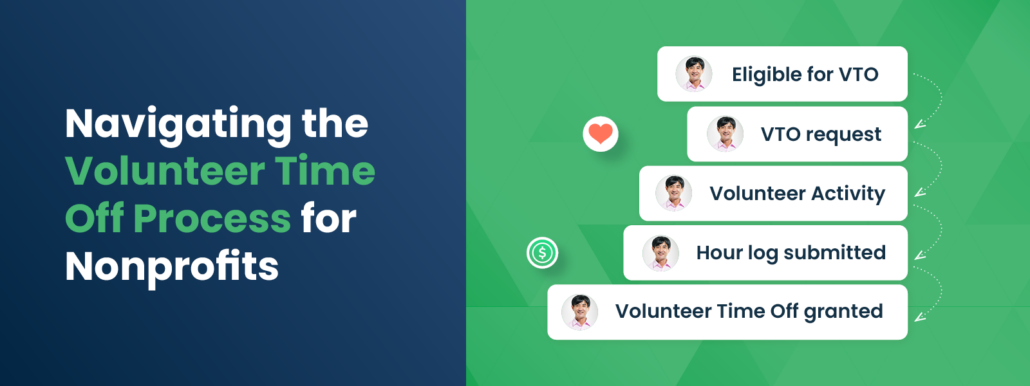
Navigating the Volunteer Time Off Process for Nonprofits
Volunteers are the engines that keep nonprofits running, fueling everything from event logistics to daily operations. But for many supporters, the biggest barrier to getting involved isn’t a lack of passion—it’s a lack of time. Between 9-to-5 jobs and personal responsibilities, finding hours to dedicate to your mission can be a challenge. This is where Volunteer Time Off (VTO) changes the game. By compensating employees for the time they spend volunteering, companies are removing the logistical hurdles that prevent supporters from showing up.
For nonprofits, understanding the Volunteer Time Off process is not just about logistics; it is about unlocking a massive, untapped reservoir of supporter bandwidth. When a company pays its employees to volunteer, your organization gains access to motivated, reliable, and often highly skilled help without the risk of donor burnout. However, simply hoping volunteers know about these benefits isn’t enough. You need a strategy to guide them through the administrative steps, ensuring they can utilize their benefits to support your cause.
In this guide, we’ll cover:
- What Volunteer Time Off is and why it is surging in popularity
- The breakdown of the standard Volunteer Time Off process
- How to identify eligibility and guide supporters through pre-approval
- Top companies offering generous VTO programs
- Marketing strategies to promote VTO to your supporter base
- Tools to automate and streamline the process
With 66% of employers now providing some form of paid time off program for volunteering, the opportunity is vast. Yet, without a clear roadmap, these hours often go unused. By mastering the nuances of the process—from registration to verification—your nonprofit can turn corporate policy into tangible impact.
What is Volunteer Time Off?
Volunteer Time Off, often abbreviated as VTO, is a type of employee benefit where team members receive a designated number of hours to volunteer with nonprofit organizations above and beyond their existing paid time off (PTO). Essentially, it is a mechanism through which employees partake in volunteer activities during work hours while still receiving their regular pay.
While corporate philanthropy often focuses on cash donations or matching gifts, VTO focuses on human capital. It removes financial and logistical barriers for volunteers, producing a larger pool of supporters for your organization to engage with. When supporters are compensated by their employers for their time, they are more likely to get involved initially and continue their support over the long term.
Did You Know? The number of companies offering VTO programs has increased by 2 in 3 over the last decade. Furthermore, 49% of individuals state that work commitments are their biggest obstacle to volunteering. Promoting the Volunteer Time Off process directly addresses this pain point!
Why the VTO Process Matters for Your Nonprofit
Understanding the mechanics of VTO is crucial because the burden of proof often falls on the volunteer. Unlike a direct corporate grant that might be handled between a CSR officer and your development director, VTO is an employee-driven benefit. If your volunteers don’t know the process, they likely won’t use the benefit.
By familiarizing your team with how these requests are made, approved, and verified, you can become an active partner in the process. You can provide the necessary documentation, offer shifts that align with corporate requirements, and remind volunteers to utilize their hours before they expire. This proactive approach transforms your organization from a passive recipient of help into a strategic partner for corporate employees.
Step 1: Registration and Employer Identification
The Volunteer Time Off process begins long before the volunteer arrives at your facility. It starts the moment a supporter expresses interest in an event or opportunity.
The Volunteer’s Role: The individual visits your website or volunteer portal to sign up for a specific shift. At this stage, they are looking for dates and times that fit their schedule.
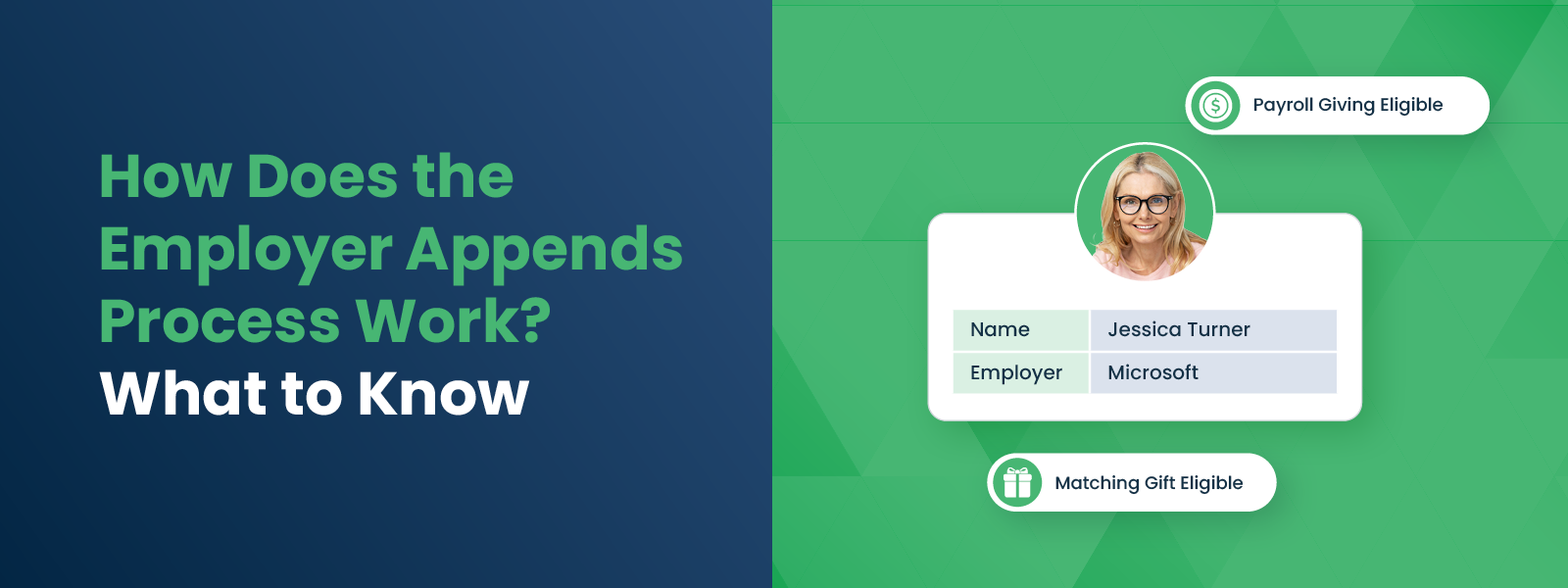
The Nonprofit’s Role: Your primary goal here is data collection. You cannot assist a volunteer with their VTO request if you do not know where they work. During the registration process, integrate a field for employment information. This allows you to identify VTO opportunities immediately using employer data.
If you utilize volunteer management software or a corporate giving database, you can prompt volunteers to search for their employer while signing up for a shift. This is the most critical step in the funnel; catching the volunteer at the point of registration ensures that VTO is top-of-mind before they even check their calendar.
Step 2: Determining Eligibility for VTO
Once the volunteer has registered and provided their employer’s name, the next step in the Volunteer Time Off process is verifying that their specific company offers a VTO benefit and that your nonprofit is eligible to receive it.
Corporate Criteria: Every company has different guidelines. Some offer VTO only to full-time employees, while others extend it to part-time staff. Additionally, companies offer an average of 20 hours of paid volunteer time per year (equaling about 2.5 days), but this varies wildly.
Organization Eligibility: Companies may also have restrictions on the types of activities they support. While most 501(c)(3) organizations are eligible, some corporations may restrict VTO for political or religious activities.
How to Streamline This: Instead of asking volunteers to dig through their employee handbooks, you can use a corporate giving database to connect eligible supporters to volunteer time off opportunities instantly. These tools can populate eligibility requirements, minimum hours, and links to the company’s internal portal, effectively doing the research for the volunteer.
Step 3: Submitting the VTO Request and Pre-Approval
This is the step where many potential volunteers drop off if they are not properly supported. Before the volunteer shift occurs, the employee typically must submit a formal request to their employer.
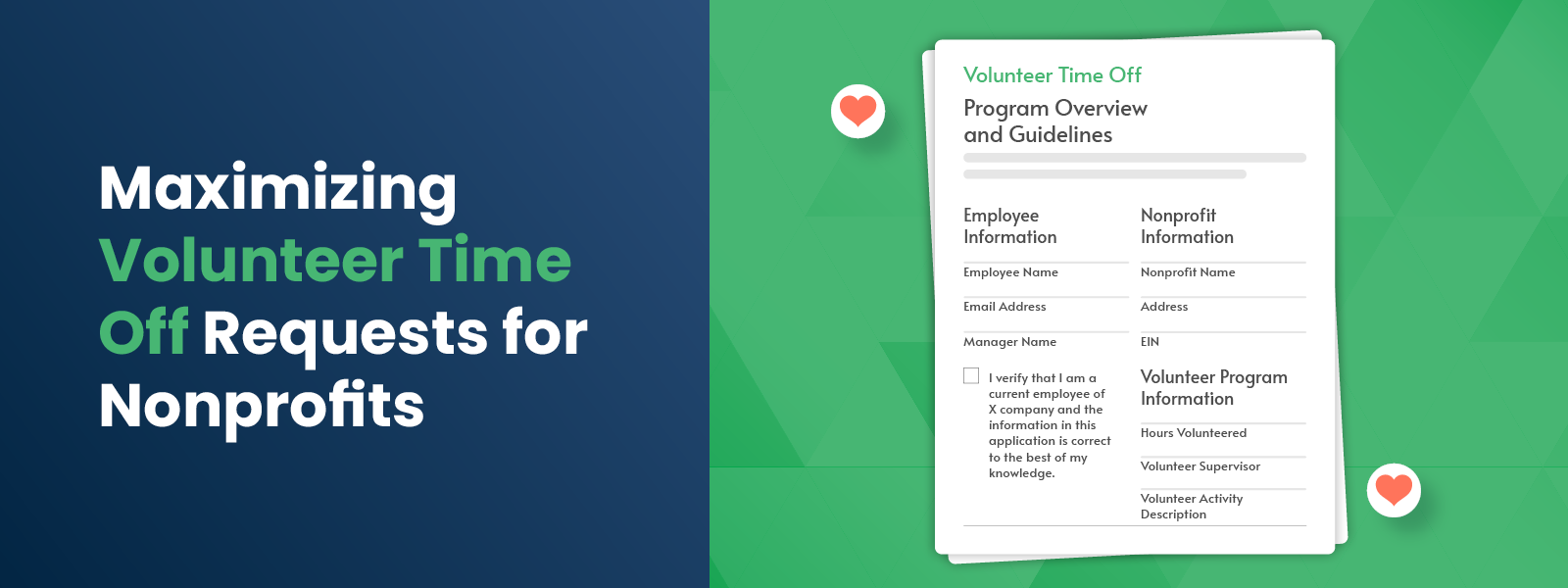
The Request Workflow: In most corporate portals (such as Benevity, CyberGrants, or YourCause), the employee must log in and submit a request for “Volunteer Time Off.” They will need to provide:
- The name of the nonprofit.
- The date and time of the volunteer shift.
- A brief description of the duties they will perform.
- The number of hours requested.
Getting Pre-Approval: Most companies require this request to be approved by the employee’s direct manager or the HR department before the volunteering takes place. This ensures the employee’s absence won’t disrupt business operations.
Quick Tip: Create a “VTO Cheat Sheet” for your major corporate partners. If you know you have many volunteers from a specific local company (e.g., Home Depot or Target), draft a template email or PDF that gives them the exact description of duties and tax ID number they need to fill out their internal request forms.
Step 4: Completing the Volunteer Shift
With approval in hand, the volunteer arrives to complete their service. While this seems straightforward, it is a vital part of the Volunteer Time Off process because it is where the “transaction” of time occurs.
On-Site Experience: Ensure the volunteer has a positive experience! Remember, 62% of individuals report that the ability to volunteer during business hours is a top factor for a positive experience. If they are using VTO, they are effectively “on the clock” for their employer while serving your mission. Treat their time with the same respect you would a major donor’s money.
Tracking Hours: Accurate timekeeping is essential. Whether you use a digital check-in system or a paper sign-in sheet, you must have a verifiable record of exactly when the volunteer started and stopped their shift. This data will be required for the final step of the process.
Step 5: Verification and Proof of Volunteerism
The final step in the Volunteer Time Off process occurs after the shift ends. To ensure the employee is paid for their time (and not docked a vacation day), they usually need to provide proof of volunteerism to their employer.
Methods of Verification:
- Digital Verification: Many CSR platforms will send an automated email to the nonprofit’s volunteer coordinator asking them to click a link and verify that the employee showed up.
- Signed Forms: Some companies require a physical form signed by a nonprofit representative.
- GPS/Geofencing: Newer platforms allow volunteers to check in via mobile app, verifying their location at your facility.
The “Double Dip” Opportunity: This verification stage is the perfect moment to ask about other corporate giving programs. If a company offers VTO, there is a high likelihood that they also offer Volunteer Grants (monetary donations based on hours served) or Matching Gifts. When verifying hours, ask the volunteer: “Does your company also donate money for the hours you just served?”
Top Companies with Standout VTO Programs
Familiarizing yourself with major employers that offer VTO can help you target your outreach. If you see volunteers registering with email addresses from these domains, you know they likely have access to a VTO benefit.
1. Patagonia
Patagonia is a leader in corporate activism. Their program offers up to 18 paid volunteer hours per year. Furthermore, they offer an environmental internship program where employees can take up to two months of paid time away from work to volunteer with an environmental group.
2. Thomson Reuters
This major information conglomerate offers two paid days (16 hours) of volunteer time each year. Their program is inclusive of company-sponsored volunteer activities and focuses on local community investment .
3. Microsoft
A giant in corporate philanthropy, Microsoft is known for its high matching gift limits, but they also support volunteerism vigorously. They focus on accessible legal knowledge and services and hack-for-good tech innovation events .
4. Deloitte
Professional services firms are among the most likely to offer paid VTO. Deloitte offers generous VTO, encouraging their highly skilled workforce to engage in skills-based volunteering .
5. GM Financial
GM Financial structures their VTO to encourage regular engagement, offering 8 hours per quarter for full-time staff and 4 hours per quarter for part-time staff . This quarterly structure is perfect for recurring volunteer roles.
Marketing the VTO Opportunity to Your Supporters
Even the most generous VTO program is useless if the employee doesn’t use it. Nonprofits play a vital role in marketing these benefits. Here are several strategies to promote the Volunteer Time Off process to your audience.
1. Create a Dedicated “Volunteers” Page
Your website should have a centralized hub for volunteer resources. If you already have a volunteer page, incorporate specific information about paid volunteer time off programs. Explain that volunteering during the workday is a valid and encouraged way to support the organization.
2. Leverage Social Media
Social media is an excellent tool for inspiring action. Share information about VTO programs on your channels. Use engaging visuals and testimonials from volunteers who have successfully used their VTO days.
Example Post: “Did you know you could get paid to hang out with us? Many companies like [Company A] and [Company B] offer Volunteer Time Off. Check your benefits and spend a day giving back!”
3. Implement Personalized Outreach
If you have captured employer data during registration, use it! Implement personalized outreach that speaks directly to the donor’s employment status.
Strategy: Send an automated email to all volunteers who work at GM Financial, reminding them that their 8 hours of VTO resets every quarter.
4. Encourage Group Events
VTO is often used for team-building. Encourage your existing volunteers to organize group events. Sometimes, encouraging a single volunteer to rally their colleagues is all it takes to expand your reach significantly . Pitch a “Department Day of Service” where a whole team uses their VTO together.
Tools to Streamline the VTO Process
Managing the Volunteer Time Off process manually can be time-consuming, especially when dealing with multiple companies and verification methods. Investing in dedicated software can automate these steps and increase your revenue.
Double the Donation’s Solutions Tools like Double the Donation and its complete automation platform are not just for matching gifts. They maintain a massive database of over 24,000 company records that includes data on VTO and volunteer grants, too.
How Automation Helps:
- Seamless Integration: The software integrates with your volunteer management system to prompt volunteers to search for their employer during sign-up.
- Instant Education: The database connects eligible supporters to actionable next steps and forms immediately.
- Automated Email Streams: You can set up automated email streams that drive supporters to claim their VTO or volunteer grants after they have registered.
By automating the identification and follow-up steps, you ensure that every eligible volunteer is aware of their benefit and knows exactly how to use it, without adding administrative burden to your volunteer coordinator.
Measuring Success and Optimizing Your Efforts
To ensure your focus on the Volunteer Time Off process is yielding results, you need to track the right metrics. Establish a baseline and monitor key performance indicators (KPIs) to refine your strategy.
Key Metrics to Track:
- Corporate Volunteer Hours Logged: Track the total number of hours contributed by employees using corporate VTO programs.
- Volunteer Grants Received: Since VTO often leads to volunteer grants, track the monetary value generated by these volunteers.
- Employee Participation Rate: Monitor which companies in your area have the highest participation rates. This helps you identify where to focus your relationship-building efforts.
Continuous Improvement: Use the data you collect to solicit feedback from volunteers. Are they finding the internal approval process difficult? Are your volunteer shifts too short or too long for a standard VTO day? Use surveys to understand barriers and refine your donor journey.
Wrapping Up & Next Steps
Mastering the Volunteer Time Off process is a powerful way to diversify your support streams. It transforms the volunteer experience from a personal sacrifice of time into a professional benefit, allowing you to engage a workforce that is eager to give back but constrained by the 9-to-5 grind.
By understanding the steps—registration, eligibility, request, service, and verification—and actively marketing these opportunities, your nonprofit can build stronger relationships with corporate partners and secure the operational support you need to thrive.
Ready to start capitalizing on corporate volunteerism?
- Audit your volunteer intake forms: Ensure you are collecting employer information.
- Educate your team: Make sure your volunteer coordinators know how to verify hours for major local employers.
- Leverage technology: Explore tools like Double the Donation to automate eligibility checks and outreach.
Don’t let these valuable hours go to waste. Start guiding your supporters through the VTO process today and watch your volunteer program grow. Plus, find out how Double the Donation Volunteering can help!