
Corporate Volunteering Educational Resources-Ultimate List

Corporate Volunteering Educational Resources: Ultimate List
Volunteers are the lifeblood of the nonprofit sector. They power events, mentor beneficiaries, clean up communities, and provide the essential manpower that allows mission-driven organizations to thrive. But in today’s landscape, a volunteer’s value extends far beyond the hours they log. Through the power of corporate philanthropy, volunteer time can be converted into tangible financial resources and deeper corporate partnerships. The key to unlocking this potential lies in understanding corporate volunteering—a multifaceted ecosystem of Volunteer Grants, Volunteer Time Off (VTO), and team service opportunities.

However, navigating the world of employee volunteerism can feel like learning a new language. Terms like “Dollars for Doers,” “VTO,” and “skills-based volunteering” often float through development offices without a clear strategy attached. Many nonprofits are unaware that they are leaving thousands of dollars on the table simply because they don’t know how to identify or solicit these corporate incentives.

To bridge this knowledge gap, you need a curriculum. You need a centralized library of corporate volunteering educational resources that takes you from the basics of “what is a volunteer grant?” to the advanced strategies of pitching corporate partners.

In this guide, we have curated a comprehensive collection of articles, guides, webinars, and tools designed to help your nonprofit master corporate volunteerism. We’ll cover:

Whether you are a volunteer coordinator looking to boost engagement or a development director seeking new revenue streams, these resources will equip you with the knowledge to transform your volunteer program into a corporate fundraising engine.

Why Corporate Volunteering Education Matters

Before diving into the resources, it is vital to understand the stakes. Corporate volunteering is not just a “nice-to-have;” it is a rapidly growing revenue channel. Companies are increasingly integrating volunteerism into their Corporate Social Responsibility (CSR) strategies to attract talent, improve employee retention, and build brand reputation.

  • Volunteer Grants are Ubiquitous: Approximately 40% of Fortune 500 companies offer volunteer grant programs, where they donate money to nonprofits based on the hours their employees serve.
  • The Value is Significant: 80% of companies with these programs offer between $8 and $15 per hour volunteered. For a super-volunteer contributing 100 hours a year, that is a significant donation check, generated entirely by labor you are already receiving.
  • VTO is Expanding: The number of companies offering Volunteer Time Off (VTO) has increased by two in three over the last decade, with 66% of employers now providing some form of paid release time for volunteering.

Despite these numbers, many eligible funds go unclaimed because nonprofits don’t know who to ask or how to process the requests. Thus, strategic education is the antidote to this missed opportunity. And we’ll provide you with some of our top-recommended resources below!

Essential Guides and Blog Posts

These articles provide the foundational knowledge necessary to understand the landscape of corporate service. From high-level overviews to deep dives into specific programs, these posts are your “textbooks” for mastering the subject.

The Fundamentals

Volunteer Grants (Dollars for Doers)

Volunteer grants are perhaps the most direct way to monetize volunteer time. These resources explain how to identify eligible volunteers and guide them through the submission process.

  • Volunteer Grant Basics: A focused guide on the mechanics of these grants. Learn about minimum hour thresholds, how you can verify your organization’s eligibility, and understand the payout cycles.
  • Top Volunteer Grant Companies List: A crucial reference tool. This list highlights major employers with generous programs (e.g., Verizon, Allstate, Disney, and Dell). Share this with your volunteer coordinators so they can spot these companies in your volunteer database.
  • Securing Team-Wide Volunteer Grant Buy-In: Discover strategies to educate your staff and board on the value of volunteer grants, ensuring your entire organization is ready to capture this revenue.

Volunteer Time Off (VTO)

VTO is a policy where companies pay their employees to volunteer during work hours. These guides help you market your opportunities to employees with this benefit.

Downloadable Resources and Cheat Sheets

Sometimes you need a complete overview resource rather than a single blog post. These downloadable resources are designed to be saved, printed, or shared with your team for immediate use. Here are a few of our favorites regarding corporate volunteering:

  • Strategies for Leveraging Corporate Volunteer Incentives: This comprehensive strategy guide is designed for nonprofits and schools looking to maximize the ROI of their volunteer programs. It covers the corporate volunteer landscape, standout strategies for pursuing high-value incentives like volunteer grants and VTO, and how technology can simplify these efforts.
  • Ultimate Guide to Volunteer Grant Programs: This is your go-to resource for understanding and leveraging “dollars for doers” programs. It covers everything from the basics and eligibility requirements to actionable tips for increasing participation and tracking hours, along with examples of companies with generous programs.
  • Ultimate Guide to Volunteer Time Off: Dive deep into the world of paid volunteer time off (VTO) with this guide. It explains the different types of VTO policies, highlights top companies that offer this benefit (like Patagonia and Thomson Reuters), and teaches nonprofits how to position themselves as ideal partners for these programs.

Expert Webinars and Video Training

The landscape of corporate philanthropy changes rapidly, and webinars offer the most up-to-date insights on trends and strategies. These expert-led sessions explore the nuances of corporate engagement in employee volunteer programs. Here are a few leading sessions from Double the Donation:

  • (Video) A Quick Overview: Double the Donation Volunteering:Watch this product overview to see how automation can increase volunteer grant revenue and engagement. It demonstrates how to integrate employer search tools into your registration forms and use automated email streams to guide volunteers through the grant submission process.
  • (Video) Boost Volunteer Grants with Double the Donation:This video explains how to harness the benefits of volunteer incentive programs for simple recruitment and increased engagement. Learn how the Double the Donation database helps supporters identify their eligibility and offers turnkey integrations with leading volunteer management solutions.
  • (On-Demand Webinar) 4 Strategies to Unlock Corporate Volunteerism: In this session, you will learn quick and easy strategies to begin maximizing benefits from employee volunteer incentive programs. It moves beyond theory into practice, offering actionable tactics for identifying, engaging, and retaining corporate volunteers.
  • (On-Demand Webinar) Trends in Corporate Volunteerism: How to Benefit: Stay ahead of the curve by exploring the latest trends in volunteer grants and volunteer time off. This webinar analyzes shifting corporate priorities so you can align your pitch with what companies are looking for right now to unlock new support.
  • (On-Demand Webinar) Smart Strategies for Corporate Volunteer Requests: This session focuses on shifting your nonprofit’s approach from “asking” to “offering.” Learn how to frame your volunteer opportunities as a solution to a company’s employee engagement needs, making your requests more strategic and successful.

Pro Tip: Schedule “Lunch and Learn” sessions for your development team using these videos. Watch one session a month together and brainstorm how to apply the takeaways to your specific donor base.

Tools to Automate Your Strategy

Knowledge is power, but execution is revenue. Managing corporate volunteerism manually can be administratively burdensome. Technology can automate these workflows, ensuring you never miss an opportunity.

  • Double the Donation Volunteering Module Overview: See how Double the Donation’s innovative Volunteering module makes corporate volunteerism for nonprofits easier than ever before. Explore key features and see how your organization can benefit!

How Automation Helps:

  • Identification: Seamless volunteer management software integrations prompt volunteers to search for their employer while signing up.
  • Education: The database connects eligible supporters to volunteer grant and VTO opportunities, providing actionable next steps immediately.
  • Follow-Up: Automated email streams drive supporters to claim volunteer grants after they have completed their service.

By automating the “ask,” you ensure that every eligible hour is identified and pursued, maximizing your revenue without adding to your workload.


Wrapping Up & Next Steps

Investing time in these corporate volunteering educational resources is one of the highest-ROI activities a nonprofit can undertake. By understanding the mechanisms of Volunteer Grants and VTO, you can transform your volunteer program from a cost center into a revenue generator.

The corporate funds are there; billions of dollars are set aside by companies like Microsoft, Disney, and Verizon specifically to reward the charitable work of their employees. It is your job to build the bridge between that funding and your mission.

Ready to get started?

  • Read the Basics: Start with the Corporate Volunteerism and Volunteer Grant Basics guides to build your foundation.
  • Watch a Webinar: Pick one of the pre-recorded webinar sessions to get inspired by current trends.
  • Audit Your Data: Look at your current volunteer list. Do you know where they work? Use the Top Companies lists to spot potential matches.
  • Explore Tech: Check out Double the Donation’s tools to see how automation can help scale your efforts.

Don’t let your volunteers’ hard work go unmonetized. Dive into these resources today and start unlocking the full potential of corporate philanthropy. Plus, see how resources like Double the Donation Volunteering can help!

Optimizing Corporate Volunteer Web Pages-Tips & Examples

Optimizing Corporate Volunteer Web Pages: Tips & Examples
Your nonprofit’s website is more than just a digital brochure; it is your most powerful recruitment tool. While many organizations invest heavily in donation pages, far fewer optimize their web presence for another critical resource: corporate volunteerism. With the rise of corporate social responsibility (CSR), companies are eager to send employee teams to support causes like yours. But if your website doesn’t explicitly welcome them, you are leaving valuable support and potential revenue on the table.

Corporate volunteer web pages serve as the bridge between a company’s desire to give back and your organization’s need for support. These specialized pages do more than just list volunteer shifts; they educate visitors about Volunteer Time Off (VTO), promote volunteer grants, and streamline the scheduling process for large groups. By optimizing these pages, you not only fill volunteer slots but also unlock “dollars for doers” grants that companies donate in recognition of employees’ time.

In this guide, we’ll cover:

Ready to turn your website into a corporate engagement engine? Let’s dive in.

The Strategic Value of Corporate Volunteer Pages

A dedicated corporate volunteer web page is not just a nice-to-have; it is a strategic asset for modern nonprofit fundraising. Companies today are actively seeking partners for their CSR initiatives. They need reliable, organized nonprofits that can host team-building events, offer skills-based volunteering, and provide measurable impact data.

If a corporate social responsibility manager lands on your site and sees only a generic “volunteer” form intended for individuals, they may assume you cannot handle a group of 50 employees. A dedicated page signals that you are “corporate-ready.” It builds trust by showing you understand their specific needs, such as group scheduling, brand visibility, and impact reporting.

Furthermore, these pages are the perfect vehicle for promoting volunteer grants. Many employees don’t know their company will donate money—often $10 to $25 per hour—for the time they spend volunteering. By explicitly mentioning these programs and providing tools to check eligibility, you transform standard volunteer hours into a dual revenue stream of time and money.

Did You Know? The value of a volunteer hour is estimated to be over $31. When you combine this labor value with a corporate volunteer grant, a single afternoon of service from a corporate team can be worth thousands of dollars to your mission.

Best-in-Class Examples of Corporate Volunteer Web Pages

To understand what works, let’s analyze five organizations that have successfully integrated corporate engagement into their web presence. These examples demonstrate different approaches to soliciting corporate support, from educational content to interactive tools.

1. Jack’s Basket

Jack’s Basket, a nonprofit celebrating babies with Down syndrome, offers a masterclass in transparency and ease of use. Their page, titled “Corporate Sponsored Volunteering,” immediately frames the conversation around the partnership between employer and employee.

Top corporate volunteer web page example

What they do right:

  • Direct Educational Hook: They open with a powerful question: “Did you know that thousands of companies provide incentives for employees to volunteer?” This immediately educates visitors who might be unaware of their own benefits.
  • Embedded Search Tool: The standout feature is the embedded search tool that allows visitors to type in their employer’s name. This tool instantly tells the user if their company offers volunteer grants or Paid Volunteer Time Off (PVTO).
  • Clear Call to Action: They provide a direct email address for questions, removing barriers for corporate leads who might have specific inquiries.

Takeaway: Don’t make volunteers guess. Give them a tool to verify their eligibility right on the page.

2. AHS Cares

Associated Humane Societies (AHS Cares) takes an educational approach. Their page is designed to demystify industry jargon like “VTO” and “Volunteer Grants” for the average supporter.

Top corporate volunteer web page example

What they do right:

  • FAQ Format: They use a clean FAQ section to define terms like “Volunteer Grants” and “Volunteer Time Off.” This is crucial because many employees have these benefits but don’t recognize the terminology.
  • Connecting Time to Money: They explicitly state, “Every hour you give can be converted into funding,” helping volunteers understand that their time has a financial value to the shelter.
  • Step-by-Step Instructions: They break down the submission process into simple steps: Check eligibility, volunteer, and submit the form. This reduces administrative friction.

Takeaway: Use your web page to teach. The more your volunteers understand the value of their time, the more likely they are to submit grant requests.

3. Phoenix Children’s Foundation

Phoenix Children’s Foundation positions corporate volunteering as a high-level partnership. Their page speaks directly to business leaders and CSR managers, rather than just individual employees.

Top corporate volunteer web page example

What they do right:

  • Benefit-Driven Copy: They highlight the business benefits of partnering, such as “building deep and lasting relationships with your employees.” This appeals to HR directors looking for retention strategies.
  • Multiple Engagement Paths: They don’t just ask for time; they offer a menu of options, including “Become a Corporate Partner,” “Create an Event,” and “Organize a Fundraiser.” This allows companies to engage at a level that suits their resources.
  • Professional Tone: The language is professional and strategic, signaling that they are capable of handling complex corporate relationships.

Takeaway: Speak the language of business. Highlight how volunteering with you benefits the company as much as the cause.

4. Koreatown Youth + Community Center (KYCC)

KYCC in Los Angeles excels at integrating corporate giving options into their general volunteer workflow. They don’t silo corporate information; they weave it into the main volunteer narrative.

Top corporate volunteer web page example

What they do right:

  • Seamless Integration: As visitors browse volunteer opportunities, they are presented with a “See if your employer will match your volunteer hours” widget. This captures intent at the moment of highest engagement.
  • Group Opportunities: They explicitly mention “Volunteer as a group!” and offer a specific “Group Volunteer Event Interest Form.” This allows corporate team leads to bypass standard individual sign-ups and start a tailored conversation.
  • Impact Metrics: They showcase data like “4,784+ Volunteer Hours” and “2,000+ Volunteers,” giving corporations confidence that they are joining a robust, well-managed program.

Takeaway: Make corporate engagement part of the standard volunteer journey. Every volunteer is a potential corporate lead.

5. Pan-Mass Challenge

The Pan-Mass Challenge (PMC) is a fundraising juggernaut, and its approach to corporate partners focuses heavily on recognition and scale.

Top corporate volunteer web page example

What they do right:

  • High-Visibility Recognition: They prominently list their sponsors, categorizing them by contribution level (e.g., “Co-Presenting Sponsor,” “Hub Sponsor”). This public acknowledgement is a major selling point for corporate marketing teams.
  • Holistic Contribution View: They highlight that sponsors contribute “finances, goods, and services” and “ride and volunteer.” This paints a picture of a 360-degree partnership.
  • Video Testimonials: They use video content from major partners, such as the Red Sox Foundation, to provide social proof and explain the “why” behind the sponsorship.

Takeaway: Publicly celebrate your partners. A “Sponsors” section on your volunteer page acts as social proof and incentivizes new companies to join the list.

Essential Features of a High-Converting Corporate Volunteer Page

Based on these successful examples, every nonprofit corporate volunteer page should include a few core elements to maximize conversion.

1. A Searchable Database Widget

The most critical technical feature is an embedded search tool (like the one used by Jack’s Basket and KYCC). This widget allows visitors to type in their company name and instantly see:

  • If their company offers volunteer grants.
  • The monetary value per hour volunteered.
  • Links to the company’s internal submission portal.
  • Minimum hour requirements.

Without this tool, you are asking volunteers to do their own HR research; a task most will never complete.

2. Dedicated “Group” or “Team” Section

Corporate volunteers rarely come alone. Include a section specifically for “Group Volunteering” or “Team Building Days.” Include a separate inquiry form for groups that asks for:

  • Company name
  • Group size
  • Preferred dates
  • Goals for the day (e.g., team building, skill usage)

3. Clear Definitions of VTO and Grants

Do not assume visitors know the lingo. Include a “Definitions” or “FAQ” section that briefly explains:

  • Volunteer Time Off (VTO): “Your company pays you to spend the day with us.”
  • Volunteer Grants: “Your company writes us a check for the hours you serve.”

4. Visual Social Proof

Corporate teams want to see themselves at your organization. Use high-quality photos of groups wearing matching t-shirts, working together, and smiling. Action shots of teams building, packing, or teaching are far more effective than stock photography.

Quick Tip: Add a “Corporate Leaderboard” to your page. Rank companies by the number of hours volunteered or grants submitted. This taps into the competitive nature of sales and marketing departments and encourages them to book more shifts to beat their competitors.

SEO Strategies for Corporate Volunteer Web Pages

Creating the page is step one; ensuring companies find it is step two. You need to optimize your corporate volunteer web pages for search engines so that when a local HR manager searches for “team building volunteer opportunities,” your nonprofit appears at the top.

Keyword Targeting

Your primary keyword is “corporate volunteer web pages,” but you must also target the terms corporate decision-makers use.

  • Primary Keywords: Corporate volunteering [City Name], Team building charity opportunities, Group volunteer ideas.
  • Long-Tail Keywords: Companies with volunteer grants, Volunteer Time Off opportunities near me, CSR partnership non-profits.

Incorporate these keywords naturally into your H1 (Main Title), H2 (Subheaders), and the first 100 words of your body copy.

Local SEO Optimization

Corporate volunteering is almost always a local activity. Optimize your page for local search by:

  • Including your city, county, and region in the page title and meta description.
  • Mentioning nearby landmarks or business districts in your copy (e.g., “Located just 10 minutes from the Downtown Business District”).
  • Registering your nonprofit on Google Business Profile and ensuring your “Volunteer” category is active.

Meta Descriptions and Title Tags

Your title tag should be under 60 characters and include your main value proposition.

  • Bad: Corporate Volunteering – [Nonprofit Name]
  • Good: Corporate Team Volunteering in [City] | [Nonprofit Name]

Your meta description should be under 160 characters and include a call to action.

  • Example: “Looking for team building? [Nonprofit Name] hosts corporate volunteer days in [City]. Check your VTO eligibility and book a group shift today!”

Integrating Volunteer Grants and VTO Copy

The magic happens when you weave the financial ask into the volunteer ask. You don’t want to scare off volunteers with a donation request, but you do want to alert them to the money they are leaving on the table.

Headline Ideas:

  • “Double Your Impact: Volunteer + Match”
  • “Does Your Company Pay You to Volunteer?”
  • “Turn Your Hours into Dollars”

Sample Copy Block: “We love our volunteers! Did you know your hard work can go even further? Many employers, including [list 2-3 major local employers], offer Volunteer Grants. For every hour you serve, your company might donate $20 to our mission. Use the search tool below to see if your hours are eligible for a cash match!”

By placing this text directly next to your shift sign-up form, you catch the volunteer at the moment of highest commitment.


Wrapping Up & Next Steps

Optimizing your corporate volunteer web pages is one of the highest-ROI activities a nonprofit marketing team can undertake. It transforms a static informational page into a dynamic engine for recruitment and revenue. By borrowing strategies from leaders like Jack’s Basket and the Pan-Mass Challenge—such as embedded search tools, clear educational copy, and sponsor recognition—you can build a pipeline of corporate support that sustains your mission for years to come.

Ready to upgrade your page? Start here:

  • Audit your current page: Does it speak to groups, or just individuals?
  • Install a search widget: Give volunteers an immediate way to check their grant eligibility.
  • Add a “Group Inquiry” form: Stop forcing corporate teams to email a general inbox.
  • Update your metadata: Ensure local companies can find you on Google.

Your website is ready to work harder for you. Make the changes today, and watch your corporate partnerships grow. Plus, see how tools like Double the Donation Volunteering can help!

Top Nonprofit Tips for Marketing Volunteer Grants Internally
Top Nonprofit Tips for Marketing Volunteer Grants Internally

Most nonprofits know that volunteer grants are a hidden goldmine. Corporate programs that pay organizations for the hours their employees volunteer (sometimes called “Dollars for Doers”) can turn a Saturday service project into a significant unrestricted donation. Yet, despite the potential, many organizations leave these funds on the table. The problem often isn’t a lack of eligible volunteers; it’s a lack of internal awareness. Thus, marketing volunteer grants internally is a must.

If your volunteer coordinator doesn’t know to ask about employment, or your development director doesn’t view volunteer data as fundraising data, the pipeline breaks. To truly unlock this revenue stream, you need more than just a donor-facing strategy; you need an internal marketing plan.

Getting your staff, leadership, and board aligned on the value of volunteer grants is the first and most critical step. When your internal team understands that every hour served has a potential dollar value, they become active participants in identifying and securing these funds. This guide will walk you through how to market volunteer grants internally, transforming your organizational culture from one that silos volunteers to one that views them as a vital part of your financial sustainability.

In this guide, we’ll cover:

By treating your internal team as your primary audience, you empower them to become champions for corporate philanthropy, ensuring no opportunity slips through the cracks.

Why Internal Awareness is the Biggest Barrier to Revenue

The disconnect between volunteer management and fundraising is a classic nonprofit silo. Volunteer managers are often measured by “hours served” or “shifts filled,” while fundraisers are measured by “dollars raised.” Volunteer grants sit squarely in the middle, and without internal education, they often get lost in the shuffle.

When staff members aren’t educated on volunteer grants, they miss simple, organic opportunities to identify eligibility. A volunteer might casually mention they work for Verizon during an orientation. An informed coordinator knows that Verizon offers $750 grants for 50 hours of service and would immediately flag that in the database. An uninformed coordinator simply smiles and says, “That’s nice.”

The Cost of Silence:

  • Missed Revenue: A single unsubmitted grant from a super-volunteer could cost you $500 to $5,000 annually.
  • Lower Retention: Volunteers who successfully submit grants feel a deeper sense of impact and are more likely to return.
  • Weaker Corporate Ties: Every volunteer grant is a touchpoint with a local employer. Missing these grants means missing chances to build corporate partnerships.

Internal marketing bridges this gap. It shifts the mindset from “volunteers are labor” to “volunteers are partners.”

Key Stakeholders: Who Needs to Know What?

Not everyone needs the same level of detail. To market volunteer grants internally effectively, you need to tailor your message to the specific roles within your organization.

1. Volunteer Coordinators & Program Staff

What they need to know: How to identify eligible companies, the basics of the submission process, and why collecting employment data matters.

What’s In It For Them?: Volunteer grants provide unrestricted funding that can directly support their program budgets (e.g., buying new supplies, funding volunteer appreciation events).

2. Development Directors & Major Gift Officers

What they need to know: Which volunteers work for top corporate prospects. Volunteer grants can be a “foot in the door” for larger sponsorships or major gifts.

What’s In It For Them?: High-capacity donors often start as volunteers. Identifying a volunteer from a major corporation adds a qualified lead to their prospect pipeline.

3. The Board of Directors

What they need to know: The high ROI of volunteer grant programs (low cost to implement, high potential return).

What’s In It For Them?: It demonstrates fiscal responsibility and diversifies revenue streams—key metrics for board governance.

Strategy 1: Training Volunteer Managers as Frontline Fundraisers

Your volunteer coordinators are the face of your organization for thousands of supporters. They have the relationships, the trust, and the daily interactions. The most effective internal marketing strategy is to empower them with training.

incorporate into Onboarding: Make volunteer grant training a standard part of onboarding for new program staff. Explain that part of “volunteer management” is helping volunteers maximize their impact through corporate philanthropy.

Scripting the Conversation: Give your team simple scripts to use during orientation or check-in:

  • “By the way, do you know if your company offers volunteer grants? Many of our volunteers from [Local Company] double their impact that way!”
  • “Make sure you check the ‘Employer’ box on the sign-in sheet—it helps us qualify for corporate funding that pays for these supplies.”

The Feedback Loop: Establish a clear process for what happens after a coordinator identifies a lead. Should they email the development team? Tag a record in the CRM? Make the handoff seamless so they don’t feel burdened by “extra work.”

Quick Tip: Frame this as “advocacy” rather than “fundraising.” Volunteer managers are often protective of their volunteers and may resist “asking for money.” Frame volunteer grants as a way for the company to pay, not the volunteer.

Strategy 2: Gamifying Data Collection for Your Team

Data entry is boring. Finding hidden treasure is exciting. To get your team excited about collecting employment information, turn it into a challenge.

The “Missing Link” Campaign: Run a month-long internal campaign where the goal is to append employment info to as many volunteer records as possible.

The Goal: “Identify 50 volunteers who work for match-eligible companies.”

The Prize: A team lunch, a half-day off, or a gift card for the staff member who finds the most potential revenue.

This not only cleans up your database but also trains your staff to look for employer domains in email addresses (e.g., @microsoft.com) and ask the right questions during phone calls.

Strategy 3: Creating a “Cheat Sheet” Resource Hub

Internal marketing fails when the information is hard to find. If a staff member has to dig through five different folders to find your Tax ID or a list of eligible companies, they won’t do it.

Create a centralized Volunteer Grant Resource Hub on your internal drive or intranet. It should include:

  • Top 20 Local Employers: A list of the biggest companies in your area that offer grants (e.g., Walmart, CVS, Home Depot) with their specific rates (e.g., “$10/hour”).
  • The “One-Pager”: A PDF document volunteers can hand to their HR department with your nonprofit’s EIN, address, and mission statement.
  • Email Templates: Pre-written follow-up emails that coordinators can copy/paste to send to volunteers who mention their employer.

Strategy 4: Celebrating Wins to Build Momentum

Nothing markets a concept better than success. When a volunteer grant check arrives, don’t just deposit it quietly. Celebrating it internally reinforces the behavior you want to see.

The “Grant of the Month”: In your all-staff meeting, highlight a specific grant received. “Thanks to Sarah in the volunteer department asking one question, we just received $500 from Apple!”

Visual Trackers: Put a thermometer or chart in the breakroom (or on Slack) showing “Volunteer Grant Revenue Year-to-Date.” Watching the number climb creates a shared sense of ownership.

Impact Stories: Connect the money to the mission. “That $1,000 grant from the Dell volunteer team paid for all the snacks for our summer camp.”

The Tech Stack: Using Automation to Support Your Staff

Finally, the best way to market volunteer grants internally is to make them easy to execute. If your staff has to manually look up every company, they will burn out.

Invest in tools that automate the heavy lifting:

  • Volunteer Management Systems (VMS): Ensure your VMS has an optional yet prominently placed “Employer” field.
  • Matching Gift Databases: Tools like Double the Donation can integrate into your volunteer forms. When a volunteer types in “Disney,” the system automatically tells them (and your staff) that they are eligible for a grant.

By providing these tools, you show your staff that you value their time and are serious about maximizing this opportunity.


Wrapping Up & Next Steps

Marketing volunteer grants internally is about breaking down silos. It’s about helping your program staff see that they are powerful revenue generators and helping your fundraising staff see that volunteers are more than just “free labor.”

When you align your team around the potential of corporate volunteerism, you create a culture that maximizes every hour given to your cause.

Ready to get your team on board?

  • Audit your data: How many volunteer records currently have employer info? (This is your baseline).
  • Build the “Cheat Sheet”: Create the one-pager resource for your volunteer coordinators this week.
  • Host a “Lunch & Learn”: Spend 30 minutes training your program staff on the basics of “Dollars for Doers.”

Don’t let internal silence cost you funding. Start the conversation today, and find out how tools like Double the Donation Volunteering can help!

Marketing Volunteer Time Off Internally to Boost Support

Marketing Volunteer Time Off Internally to Boost Support

Volunteer Time Off (VTO) is rapidly becoming a staple in corporate benefits packages. Companies ranging from tech giants to local banks are now paying their employees to step away from their desks and spend time supporting nonprofits like yours. For a volunteer coordinator struggling to fill daytime shifts, this sounds like a dream come true. Yet, despite the prevalence of VTO (with 66% of employers offering some form of paid release time), many nonprofits fail to capitalize on it.

The disconnect often isn’t with the companies; it is internal. If your volunteer coordinator doesn’t know which companies offer VTO, they can’t suggest it to a supporter struggling to find time. If your development director doesn’t see VTO as a cultivation tool, they miss the chance to deepen corporate partnerships. To unlock the full potential of these corporate programs, you must treat marketing volunteer time off internally as a strategic priority.

Getting your staff, leadership, and existing volunteer base aligned on the value of VTO is the first step toward a more sustainable, high-capacity volunteer program. When your internal team understands that VTO is the key to securing reliable, skilled, daytime support (and the financial grants that often accompany it), they become active agents in your recruitment strategy.

In this guide, we’ll cover:

By focusing on marketing volunteer time off internally, you transform your organization from one that passively accepts volunteers to one that strategically leverages corporate benefits to fuel your mission.

Why Internal Buy-In is Crucial for VTO Success

The primary barrier to utilizing VTO is rarely the corporate policy itself; it is the “knowledge gap.” Employees often forget they have the benefit, or they assume it can only be used for company-sponsored days of service. On the nonprofit side, staff members are often so focused on executing programs that they forget to ask about the volunteer’s employment.

When you invest in marketing volunteer time off internally, you close this gap. You empower your staff to act as consultants for your volunteers, reminding them of benefits they may have overlooked.

The Benefits of Alignment:

  • Daytime Availability: Most volunteers work 9-5, making them available only on weekends. VTO unlocks the workweek, providing you with coverage during critical business hours.
  • Skilled Labor: VTO often attracts professionals who want to use their specific skills (accounting, marketing, IT) for good.
  • Financial Impact: VTO is a gateway to Volunteer Grants (financial donations for hours served). If a staff member encourages a volunteer to use VTO, they are often simultaneously securing a monetary grant for the organization.

Key Stakeholders: Who Needs to Know What?

To market VTO effectively within your organization, you need to tailor the message. Different team members care about different metrics.

1. Volunteer Managers

What they need to know: Which local companies offer VTO and how to help volunteers request it.

The Incentive: VTO solves their biggest headache: shift coverage. It provides a pool of reliable, background-checked individuals who are being paid to be there, meaning they are less likely to flake than casual volunteers.

2. Development & Fundraising Team

What they need to know: Which volunteers are using VTO.

The Incentive: A volunteer using VTO is a “warm lead” for corporate partnership. If a company is paying an employee to be at your facility, they are already invested. This is the perfect opening for a sponsorship or grant conversation.

3. Marketing & Communications

What they need to know: How to talk about VTO in newsletters and social media.

The Incentive: It gives them powerful content. “Thank you to [Company] for sending [Employee] to help us today!” is a great social media post that drives engagement and visibility.

Strategy 1: Educating Your Staff on VTO Mechanics

You cannot market what you do not understand. The first step in marketing volunteer time off internally is training your staff on how these programs work. Many nonprofit professionals are vaguely aware of “corporate volunteering” but don’t know the specifics of VTO.

Host a “Lunch and Learn.” Dedicate a staff meeting to Corporate Philanthropy 101. Explain the difference between:

  • Volunteer Grants: Cash for hours.
  • VTO: Paid time off for hours.
  • Team Service Days: Organized group events.
  • And more!

Create a “VTO Cheat Sheet.” Don’t expect your staff to memorize every corporate policy. Create a simple, one-page reference guide that lists the top 10-20 employers in your area that offer VTO.

Example: “Thomson Reuters: 16 hours/year. Contact: HR Portal.”

Example: “Patagonia: 18 hours/year. Contact: Store Manager.”

Post this cheat sheet in the volunteer check-in area and save it to your internal shared drive. When a volunteer coordinator sees a supporter wearing a company polo or using a corporate email address, they can quickly check the list.

Quick Tip: Frame VTO as a benefit for the volunteer. Train your staff to say, “Did you know your company might pay you to be here today? You shouldn’t have to use a vacation day to support us!” This positions your nonprofit as looking out for the volunteer’s well-being.

Strategy 2: Integrating VTO into Volunteer Onboarding

The best time to market VTO is when a volunteer is most eager: the moment they join your team. Your internal marketing strategy should focus on embedding VTO messaging into every step of the onboarding process.

Update the Handbook: Include a section on “Corporate Benefits” in your volunteer handbook. Explain that your organization welcomes VTO use and is happy to sign any verification forms required by employers.

Script the Orientation: Give your volunteer trainers a script. During orientation, they should explicitly ask: “Raise your hand if you work for [Major Local Employer 1], [Major Local Employer 2], or [Major Local Employer 3]. Did you know they offer paid time off to volunteer here? We can help you set that up.”

The “Employer” Field: Ensure your volunteer registration forms include a mandatory field for “Employer.” This data is the fuel for your VTO strategy. Without it, you are flying blind.

Strategy 3: Gamifying the Search for Eligible Volunteers

Data collection can be tedious. To make internal marketing of volunteer time off engaging, turn it into a friendly competition.

The “VTO Scavenger Hunt”: Challenge your program staff to identify as many VTO-eligible volunteers as possible in one month.

The Goal: “Identify 20 volunteers who work for companies with VTO policies.”

The Method: Staff can ask volunteers during shifts, check email domains (e.g., @deloitte.com), or review LinkedIn profiles.

The Prize: The staff member who uncovers the most potential VTO hours wins a gift card or an extra half-day of PTO.

This gamification trains your team to be observant. They stop seeing “a volunteer” and start seeing “a Microsoft employee with 20 hours of unused VTO.”

Strategy 4: Sharing Success Stories to Build Culture

Nothing drives adoption like social proof. When a volunteer successfully uses VTO, celebrate it internally.

The “Win of the Week”: In your weekly staff email, highlight a VTO success story. For example, “Shout out to our volunteer coordinator, Sarah! She noticed a volunteer wearing a Salesforce t-shirt, asked about VTO, and now that volunteer has committed to 7 full days of service (56 hours) using their VTO benefit!”

Visual Reminders: Create a “Corporate Impact Wall” in your office. Post logos of companies whose employees have used VTO to support you. This serves as a constant visual reminder to staff that corporate partnerships are vital to your ecosystem.

Leveraging Technology to Support Your Team

Manual tracking is the enemy of sustainability. If marketing volunteer time off internally requires your staff to spend hours Googling corporate policies, they will eventually stop doing it. You need to equip them with the right tools.

Employer Search Tools: Invest in a corporate giving database, such as Double the Donation. These tools can be embedded directly into your volunteer forms.

How it helps: When a volunteer enters their employer’s name, the tool instantly tells them (and your staff) whether the company offers VTO or volunteer grants. This removes the guesswork and provides immediate verification.

Automated Nudges: Use your CRM to automate the “ask.” If a volunteer registers with a corporate email address known to offer VTO, set up an automated email that says: “We see you work for [Company]. They offer 20 hours of VTO! Here is a link to the form you need to submit to get paid for your time with us.”

By automating the outreach, you ensure that every opportunity is captured, even when your staff gets busy.


Wrapping Up & Next Steps

Marketing volunteer time off internally is about shifting your organizational mindset. It requires moving away from the idea that volunteers are just “free help” and recognizing them as valuable assets with corporate backing. When your entire team—from the front desk to the executive suite—understands the power of VTO, you create a culture that maximizes every hour given to your cause.

By training your staff, integrating VTO into onboarding, and leveraging technology, you can turn your volunteer program into a robust engine for corporate engagement and financial sustainability.

Ready to get your team on board?

  • Audit Your Data: Check your current volunteer list. What percentage has employer info listed?
  • Create the Cheat Sheet: Build the one-page resource of local VTO companies this week.
  • Host the Training: Schedule a 30-minute session to teach your staff how to ask the “VTO question.”

Don’t let these corporate benefits go to waste. Start the conversation internally today, and watch your volunteer capacity grow. Plus, see how tools like Double the Donation Volunteering can help!

Volunteer Time Off Letters-Templates to Boost Impact

Volunteer Time Off Letters: Templates to Boost Impact
Volunteers are the engines that keep nonprofits running. They staff events, mentor beneficiaries, clean up parks, and perform the essential day-to-day tasks that allow organizations to thrive. However, the number one barrier preventing supporters from volunteering more is a lack of time. Between professional responsibilities and personal lives, finding a few hours to slip away during the workday can feel impossible for your supporters. This is where Volunteer Time Off letters become a critical tool in your communication arsenal.

Volunteer Time Off (VTO) is a corporate benefit where companies pay their employees to volunteer during work hours. It removes the conflict between “earning a living” and “making a difference.” Yet, despite the fact that 66% of employers provide some form of paid time off program, many employees are unaware this benefit exists or are hesitant to request it.

By sending strategic Volunteer Time Off letters, your nonprofit can educate your supporters, encourage them to utilize their corporate benefits, and unlock hundreds of hours of reliable, daytime volunteer support. Furthermore, VTO is often a gateway to financial support; companies that offer VTO often offer volunteer grants (financial donations based on hours served).

In this guide, we’ll cover:

If you are ready to fill your daytime volunteer shifts and deepen relationships with corporate partners, this guide is your roadmap.

The Strategic Value of Promoting VTO

Why should a nonprofit spend time teaching volunteers about their own HR benefits? Because VTO solves the two biggest problems volunteer coordinators face: recruitment and retention.

When a volunteer has to take unpaid leave or use precious vacation days to support you, the “cost” of volunteering is high. When they can use VTO, the cost becomes zero—in fact, they are being paid to be there. This dynamic shifts volunteering from a sacrifice to a perk.

Expanding Your Volunteer Pool Companies with paid VTO programs offer an average of 20 hours per year per employee. This is approximately 2.5 days of full-time work that each supporter could dedicate to your mission. By sending Volunteer Time Off letters, you are essentially inviting supporters to take a “paid field trip” to your organization. This appeals to professionals who want to help but cannot commit to weekends or evenings.

Unlocking Financial Revenue VTO and volunteer grants are cousins in the corporate philanthropy world. If a company values volunteering enough to pay its employees for it, it likely also offers “Dollars for Doers” grants. 40% of Fortune 500 companies offer volunteer grant programs. By getting a volunteer in the door via VTO, you are setting the stage to ask them to log their hours for a financial grant later.

Did You Know? 62% of individuals report that the ability to volunteer during business hours would be the top factor for a positive experience. By proactively encouraging VTO, you are directly improving donor satisfaction and engagement.

The Anatomy of a Perfect VTO Appeal

Writing a request for a supporter to take time off work requires tact and excitement. You aren’t asking for a favor; you are reminding them of a benefit they have earned. To ensure your Volunteer Time Off letters are effective, they should contain these five core elements:

1. The “Value Proposition”

Start by framing the letter around the impact the volunteer can make and the benefit to them. “Spend a day out of the office making a difference” is a compelling hook.

2. The Educational Pivot

Assume the volunteer doesn’t know their company offers VTO. Use phrases like, “Did you know your company might pay you to volunteer with us?” This positions you as a helpful resource, not just a requester.

3. Clear Eligibility Data

If you know they work for a VTO-friendly company (like Patagonia or Deloitte), be specific. Mentioning their employer by name increases open rates and engagement.

4. The “Easy Button” (CTA)

Provide a clear call to action. Do not just say “come volunteer.” Say, “Sign up for our specific VTO-friendly Friday shifts here” or “Click here to download a flyer to show your manager.”

5. The Financial Connection

Briefly mention that their time might also result in a financial grant. This plants the seed for future fundraising without making a direct monetary ask.

Scenario 1: The Known Eligible Volunteer Time Off Letter

The highest conversion rate comes from volunteers you know work for VTO-friendly companies. If your database indicates a supporter works for a company like Thomson Reuters (which offers 2 paid days/year) or GM Financial (8 hours/quarter), you can send a highly specific letter.

Subject: Take a paid day off to support [Nonprofit Name]!

Body:

Dear [Volunteer Name],

We know how hard you work, and we appreciate every moment you spend supporting [Nonprofit Name]. We also know that balancing a career with your passion for our mission can be a challenge.

Great news: Because you work at [Employer Name], you don’t have to choose between work and volunteering.

Our records show that [Employer Name] offers a generous Volunteer Time Off (VTO) program. This means you are eligible for [Insert Hours, e.g., 16 hours] of paid time off specifically to volunteer with organizations like ours.

Why not use a VTO day to join us? We have several upcoming daytime opportunities that would be perfect for using your VTO benefit:

  • [Event/Shift Option 1]
  • [Event/Shift Option 2]

Next Steps:

  • Check your internal HR portal to confirm your available VTO hours.
  • Register for a shift on our calendar [Link].
  • Enjoy a day out of the office making a real difference!

Thank you for being a champion for our cause—both in and out of the workplace.

Sincerely,

[Signature]

Quick Tip: Companies like Microsoft focus heavily on skills-based volunteering during VTO. If you are writing to a tech professional, tailor the letter to ask for specific help with IT, web design, or data analysis during their VTO hours.

Scenario 2: The Unknown Eligibility Volunteer Time Off Letter

For the majority of your database, you may not know their employer, or you may not know if that employer offers VTO. In this case, your Volunteer Time Off letters serve as a discovery tool. You are educating them on the concept and asking them to investigate.

Subject: A perk you might be missing out on…

Body:

Dear [Volunteer Name],

Volunteers like you are the heartbeat of [Nonprofit Name]. We are constantly amazed by your dedication.

We wanted to share a tip that many of our supporters use to spend more time giving back without sacrificing their weekends. Did you know that 66% of companies now offer paid Volunteer Time Off (VTO)?

This means your employer might pay you to spend a morning, afternoon, or full day volunteering with us during the work week. It’s a great way to recharge, give back, and utilize a benefit you may not even know you have.

How to find out: Check your employee handbook or ask your HR representative if your company offers “Volunteer Time Off” or “Community Service Days.”

If they do: We would love to host you! We have shifts available [Days of week] that fit perfectly into a VTO day. Check out our schedule here: [Link].

Plus: Many companies that offer VTO also offer Volunteer Grants—meaning they will donate money to us for every hour you serve. It’s a double win for our mission!

Thank you for everything you do.

Sincerely,

[Signature]

Scenario 3: The Volunteer Time Off Advocacy Letter

What if a volunteer checks, but their company doesn’t offer VTO? Don’t let the conversation end there. Employees have significant leverage to shape corporate culture. You can provide a template for them to send to their HR department to advocate for a VTO program. This positions your nonprofit as a thought leader and partner in their professional development.

Subject: Help bring VTO to [Employer Name]

Body:

Dear [Volunteer Name],

Thanks for checking into VTO for us! Even though [Employer Name] doesn’t currently offer a paid volunteer program, your inquiry shows them that their employees care about community impact.

Many companies launch VTO programs because employees ask for them. If you are interested in advocating for this benefit, we’ve drafted a short note you can share with your HR team or manager.

Sample Email to Leadership/HR:

“Hi [Name],

I am an active volunteer with [Nonprofit Name] and am passionate about supporting our community. I recently learned that many companies in our industry are offering Paid Volunteer Time Off (VTO) as a way to support employee well-being and corporate social responsibility.

Research shows that VTO improves employee engagement and retention. Would [Company Name] be open to exploring a VTO pilot program? I would love the opportunity to use a workday to give back to the causes that matter to our team.

Thanks, [Employee Name]”

Regardless of the outcome, we appreciate you going the extra mile to advocate for service!

Sincerely,

[Signature]

Best Practices for Sending VTO Emails

To ensure your Volunteer Time Off letters result in filled shifts, you need to be strategic about when and how you send them.

1. The “Use It or Lose It” Campaign

Most corporate VTO hours reset on January 1st. In October and November, send a dedicated email reminding volunteers that they might have unused VTO hours that will expire. Frame it as “Don’t leave your benefits on the table!” This creates urgency during the critical year-end giving season.

2. Group Volunteer Pitches

VTO is often used for team-building. Modify your letters to ask volunteers to bring their whole department. “Have VTO? Bring your team for a Service Day!” is a compelling pitch for managers looking for morale-boosting activities.

3. Integrate into Onboarding

When a new volunteer signs up with you, include a section on VTO in their welcome packet. “Check if your employer offers VTO” should be a standard step in your onboarding checklist, right next to signing the waiver.

4. Leverage Data Tools

If you are using a tool like Double the Donation, you can identify which of your donors work for VTO-eligible companies automatically. This allows you to segment your email list and send the “Known Eligibility” template only to the people you know can act on it, increasing conversion rates and reducing email fatigue.


Wrapping Up & Next Steps

Volunteer Time Off letters are a low-cost, high-impact way to increase your volunteer capacity. By guiding your supporters to utilize the corporate benefits available to them, you validate their desire to help while securing the daytime support that is often so hard to find.

Remember, you are not imposing on your volunteers; you are helping them access a perk they have earned. You are empowering them to integrate their professional life with their personal values.

Ready to fill your volunteer calendar?

  • Audit your list: Use an employer append or screening tool to find out where your volunteers work.
  • Update your site: Add a “Workplace Giving” section to your volunteer page that mentions VTO.
  • Send the emails: Use the templates above to launch your first VTO awareness campaign this month.

Start turning corporate policy into nonprofit impact today! Plus, see how a solution like Double the Donation Volunteering can help your team grow its impact with ease.

Volunteer Grant Letters-Templates to Boost Revenue

Volunteer Grant Letters: Templates to Boost Revenue
Volunteers are the lifeblood of the nonprofit sector, dedicating their time, energy, and skills to power missions forward. From staffing events to mentoring youth, these supporters provide essential labor that organizations simply could not afford otherwise. However, there is a way to make their impact go even further, transforming their hours of service into direct financial support without asking them to open their wallets. The secret lies in effective communication through strategic volunteer grant letters.

Many of your volunteers work for companies that offer “Dollars for Doers” or volunteer grant programs. These corporate initiatives award monetary grants to nonprofits based on the number of hours employees volunteer. Despite the immense potential of these programs, billions of dollars in corporate philanthropy go unclaimed every year, primarily because volunteers are unaware that these programs exist or do not know how to submit a request. By incorporating specific volunteer grant letters into your communication strategy, you can bridge this awareness gap, guide your supporters through the submission process, and unlock a sustainable stream of unrestricted revenue.

In this guide, we’ll cover:

Whether you are looking to engage a single super-volunteer or launch a campaign for your entire supporter base, this guide provides the tools and templates you need to turn volunteer time into corporate treasure.

The Strategic Value of Volunteer Grant Communications

Before diving into the templates, it is vital to understand why these letters are a necessary component of your fundraising strategy. Volunteer grants are a form of corporate philanthropy where companies provide monetary donations to organizations where their employees volunteer. Essentially, corporations monetize the generosity of their workforce to support the communities where they live and work.

The potential financial impact is significant. Approximately 40% of Fortune 500 companies offer volunteer grant programs. On average, these companies provide between $8 and $15 per hour volunteered. For a dedicated volunteer who contributes 50 or 100 hours a year, this can translate into hundreds or even thousands of dollars in grant revenue for your nonprofit.

However, the challenge lies in participation. The average employee participation rate for volunteer grant programs sits at a mere 3%. This is rarely due to a lack of willingness on the part of the employee; rather, it is a lack of awareness. Most volunteers do not know their company offers such a program, or they find the submission process opaque. By sending targeted volunteer grant letters, you remove these barriers. You educate the supporter, provide them with the necessary data (such as your Tax ID and contact information), and make the submission process frictionless. This proactive approach transforms your volunteer program from a source of labor into a source of revenue.

Did You Know? Volunteerism and financial giving are deeply connected. 79% of people who volunteer also donate money to the organization they serve. By engaging volunteers with grant opportunities, you are tapping into a highly motivated segment of your audience that is already invested in your success.

The Anatomy of a Perfect Volunteer Grant Letter

Writing an effective request requires a delicate balance. You are asking a supporter who has already given their time to take an additional administrative step. To ensure your volunteer grant letters are well-received and effective, they must be structured to express gratitude first and make the “ask” second.

Every effective letter or email should contain the following elements:

1. Sincere Gratitude

Always open by acknowledging the volunteer’s specific contribution. Whether they worked a specific event or serve weekly, validate their time before asking for anything else. This reinforces their value to the organization.

2. The Educational Hook

Assume the volunteer does not know what a volunteer grant is. Briefly explain that their employer might donate money based on the hours they have already served. Frame this as a benefit to them—a way to double their impact without extra work.

3. Clear Eligibility Data

If you know they work for a specific company (like Microsoft or Verizon), mention the company’s specific program details. If you are unsure, provide a link to a search tool where they can check their eligibility instantly.

4. The “Cheat Sheet”

To submit a request, volunteers usually need specific details about your nonprofit. Do not make them hunt for this information. Include a sidebar or section in the letter with:

  • Your organization’s legal name
  • Your EIN / Tax ID number
  • Your mailing address
  • A contact person for verification (usually a volunteer coordinator)

5. A Direct Call to Action (CTA)

Provide a link to their company’s submission portal if available, or a link to your own “Volunteer Grants” webpage where they can find instructions.

Scenario 1: The Known Eligible Volunteer (Action)

The most high-value opportunity in your database is the volunteer who works for a company known to have a grant program. For example, Verizon offers $750 for 50 hours of volunteer work, and ExxonMobil offers $500 for every 20 hours. If you have collected employment data during registration, you can send a highly targeted letter.

Subject: You’ve donated your time; [Employer Name] wants to match it!

Body:

Dear [Volunteer Name],

Thank you so much for the [Number] hours you have dedicated to [Nonprofit Name] this past [Month/Year]. Your support in [mention specific activity, e.g., sorting food, mentoring students] has been invaluable to our mission.

We are writing because our records indicate you work for [Employer Name]. Did you know that [Employer Name] has a generous volunteer grant program? Because of the hours you have already contributed, you are likely eligible to secure a corporate grant of [Insert Amount if known, e.g., $500] for our organization at no cost to you.

How to Double Your Impact: [Employer Name] offers grants to nonprofits once an employee volunteers for at least [Minimum Hours] hours. Since you have already hit this milestone, you can submit a request through your employee portal today.

Here is the info you might need for the form:

  • Organization: [Legal Name]
  • Tax ID (EIN): [00-0000000]
  • Contact: [Name, Email, Phone]

It only takes a few minutes to submit, but the impact will last a lifetime. Thank you for being a champion for our cause!

Sincerely,

[Signature]

Quick Tip: Companies like Microsoft offer $25 per hour volunteered with no minimum threshold. For volunteers at these companies, you can send this letter after a single shift!

Scenario 2: The Unknown Eligibility Volunteer (Clarification)

For the majority of your volunteers, you may not know where they work, or you may not know if their employer has a program. In this case, your volunteer grant letters serve a dual purpose: data collection and education. You are casting a wider net to uncover hidden opportunities.

Subject: Did you know your volunteer hours could be worth money?

Body:

Dear [Volunteer Name],

We cannot thank you enough for the time you spend volunteering with [Nonprofit Name]. Your dedication is the engine that keeps our programs running.

We wanted to share a quick tip on how you might be able to increase your impact even further—without working any extra hours. Thousands of companies, including 40% of Fortune 500 corporations, offer volunteer grant programs. These programs donate funds to the nonprofits where their employees volunteer.

Does your employer offer volunteer grants? We would love for you to check! You can ask your HR department or use the search tool on our website here: [Link to your dedicated Double the Donation search page].

If your company participates, submitting a request is usually a simple online process.

Our details for your submission:

  • Nonprofit: [Legal Name]
  • EIN: [00-0000000]

If you find out your company offers this program, please let us know so we can thank them (and you!) properly.

With gratitude,

[Signature]

Scenario 3: The Ineligible Volunteer (Advocacy)

Sometimes, a volunteer will check their eligibility only to find their company does not have a program. This is not a dead end. Employees have a significant influence over corporate culture. You can provide a template for these super-volunteers to send to their HR departments to advocate for a new program.

Subject: A way to help [Nonprofit Name] grow

Body:

Dear [Volunteer Name],

Thank you for checking into volunteer grants for us. While we are bummed to hear [Employer Name] doesn’t currently have a program, we are so grateful for your continued physical support!

Many companies start these programs because employees like you ask for them. If you feel comfortable, would you be willing to send a quick note to your HR team? It could pave the way for future support.

Here is a sample note you could use:

“Hi [HR Contact],

I actively volunteer with [Nonprofit Name] and was looking to see if we offer a volunteer grant program to support employee service. I know many peer companies offer ‘Dollars for Doers’ grants to support the causes employees are passionate about. Is this something our company would consider implementing? It would mean a lot to me and my team members who give back to the community.

Thanks, [Employee Name]”

Regardless of the outcome, we appreciate you going the extra mile for us!

Sincerely,

[Signature]

Best Practices for Sending Volunteer Grant Emails

Writing the letter is only the first step. To maximize the open and conversion rates of your volunteer grant letters, you must consider the timing, frequency, and method of delivery. Check out these top tips for doing so well.

1. Timing is Everything

The best time to ask for a volunteer grant is when the volunteer is feeling most connected to your work.

Post-Event: Send an email 24-48 hours after a major volunteer event or shift. The experience is fresh, and they are likely still thinking about the impact they made.

Milestones: If you track hours, trigger an email when a volunteer hits a common threshold, such as 10, 20, or 40 hours. This is highly effective because many companies set these specific hours as minimums for grant eligibility.

End of Year: Many corporate giving programs run on a calendar year. Send a reminder in November or December, urging volunteers to submit their requests before their accumulated hours expire.

2. Segmentation

Don’t send the same generic email to everyone. If you know a volunteer who works for Allstate, send them the specific Allstate template. If you know a volunteer is a retiree, send them a message highlighting that many companies extend matching and volunteer grant privileges to retirees as well. Targeted messaging shows you are paying attention and respects the donor’s time.

3. Data Collection at Intake

The most effective way to improve your volunteer grant strategy is to collect employment data before you need to send the letter. Add an optional “Employer” field to your volunteer registration forms. Even better, use a search tool widget that allows them to select their company from a list. This gives you the data you need to segment your lists from day one.

Integrating Volunteer Grants into Your Broader Strategy

Volunteer grant letters should not be a standalone initiative. They work best when integrated into a broader culture of corporate philanthropy within your nonprofit.

The Website Hub

Create a dedicated “Volunteer Grants” or “Workplace Giving” page on your website. This page should host your search tool, your EIN/Tax ID, and instructions for major local employers. Link to this page in every email you send. This ensures that even if a volunteer deletes the email, they can find the information later when they are ready to submit.

Onboarding and Training

Mention volunteer grants during volunteer orientation. Hand out a flyer with the “Cheat Sheet” information. When volunteers hear about the program verbally and receive a follow-up letter, the message is far more likely to stick.

Recognition

Celebrate the volunteers who successfully submit grants. A shout-out in a newsletter or a social media post saying, “Thanks to Sarah and her employer, Microsoft, for a $500 grant!” encourages others to check their own eligibility. It validates the effort and proves that the process works.

Top Companies to Watch For

As you review your volunteer lists, keep an eye out for employees from these companies. They are known for having accessible and generous volunteer grant programs. Prioritizing outreach to these individuals is a high-ROI activity.

  • Microsoft: No minimum hours required; $25 per hour rate.
  • ExxonMobil: $500 grant for every 20 hours volunteered.
  • Verizon: $750 grant for 50 hours of service.
  • Disney: Grants of up to $2,000 per year for eligible nonprofits.
  • CarMax: Strong volunteer grant program in addition to donation matching.

If you see these domains in your email list, send the “Known Eligible” template immediately!

Automating the Process

For small teams, sending individual emails to every volunteer is impossible. This is where automation comes in. Tools like Double the Donation can integrate with your volunteer management system. When a volunteer registers, the system captures their employer. It can then automatically trigger the appropriate volunteer grant letter based on that data.

Automation ensures that every eligible volunteer receives the right message at the right time, without your staff having to lift a finger. It moves the process from a manual burden to a background revenue generator.


Wrapping Up & Next Steps

Volunteer grant letters are a low-cost, high-reward tool in the nonprofit fundraising arsenal. They honor the dedication of your volunteers while unlocking a stream of corporate revenue that is often left behind. By providing clear, gratitude-filled, and informative communication, you empower your supporters to become even greater champions for your cause.

The process doesn’t have to be complicated. Start by adding an employer field to your intake forms. Then, use the templates provided above to craft your initial outreach. Whether you are sending a manual batch of emails or setting up an automated workflow, the most important step is simply asking.

Ready to boost your volunteer revenue?

  • Audit: Check your volunteer list for corporate email addresses.
  • Update: Add your EIN and contact info to your website’s volunteer page.
  • Send: Pick a template and send your first batch of letters this week.

Don’t let these valuable hours go to waste. Start turning those hours into dollars today! Plus, see how tools like Double the Donation Volunteering can help you do so.

A Smart Nonprofit's Guide to the Volunteer Grant Process

A Smart Nonprofit’s Guide to the Volunteer Grant Process

The lifeblood of any nonprofit organization is the dedication of its volunteers. From preparing food boxes to mentoring youth, the hours given freely by passionate supporters are invaluable. But what if those hours could be converted into hard cash, providing a secondary revenue stream with no extra time commitment from your supporters? This is the power of the volunteer grant process, a key component of corporate philanthropy that most nonprofits overlook. It’s a goldmine of unclaimed funding, often sitting right under your nose, waiting for a simple, proactive nudge.

For nonprofits operating with lean teams and tight budgets, securing every possible dollar matters. Volunteer grant programs, sometimes called “Dollars for Doers,” offer a remarkable opportunity to increase the financial return on volunteer time, essentially giving your organization “free money”. However, tapping into this potential requires a clear understanding of the process and a proactive strategy to guide your supporters through it. With thousands of companies offering these programs, learning how to leverage the Volunteer Grant Process can dramatically boost your volunteer program’s return on investment (ROI).

In this guide, we’ll cover:

The misconception that corporate giving is reserved only for major organizations or requires too much administrative work often prevents mid-sized and smaller nonprofits from exploring the lucrative avenue of volunteer grants. Yet, technology solutions now exist to streamline the identification, outreach, and submission steps, removing the heavy manual lifting for your development team. By integrating simple, automated tools into your existing volunteer and fundraising processes, your nonprofit can systematically convert volunteer hours into much-needed revenue, fueling your mission on a whole new level.

Why the Volunteer Grant Process Matters for Your Nonprofit

Volunteer grants represent a crucial but often unrealized funding source in the philanthropic landscape. These programs are designed by companies to provide monetary donations to organizations where their employees dedicate their time. This means that the valuable time your volunteers invest is multiplied by a financial contribution from their employer, substantially increasing the overall impact of their service.

For every hour an employee volunteers, their company may offer a grant, with many programs ranging from $8 to $15 per hour of service. This “free money” drastically increases the ROI of your entire volunteer program, making this an essential piece of corporate giving strategy. Despite this immense potential, a significant portion of volunteer grant funding goes unclaimed because both nonprofits and volunteers often lack awareness about the programs or the detailed steps required to secure the funds. Implementing a clear strategy focused on the Volunteer Grant Process is the key to unlocking this overlooked revenue.

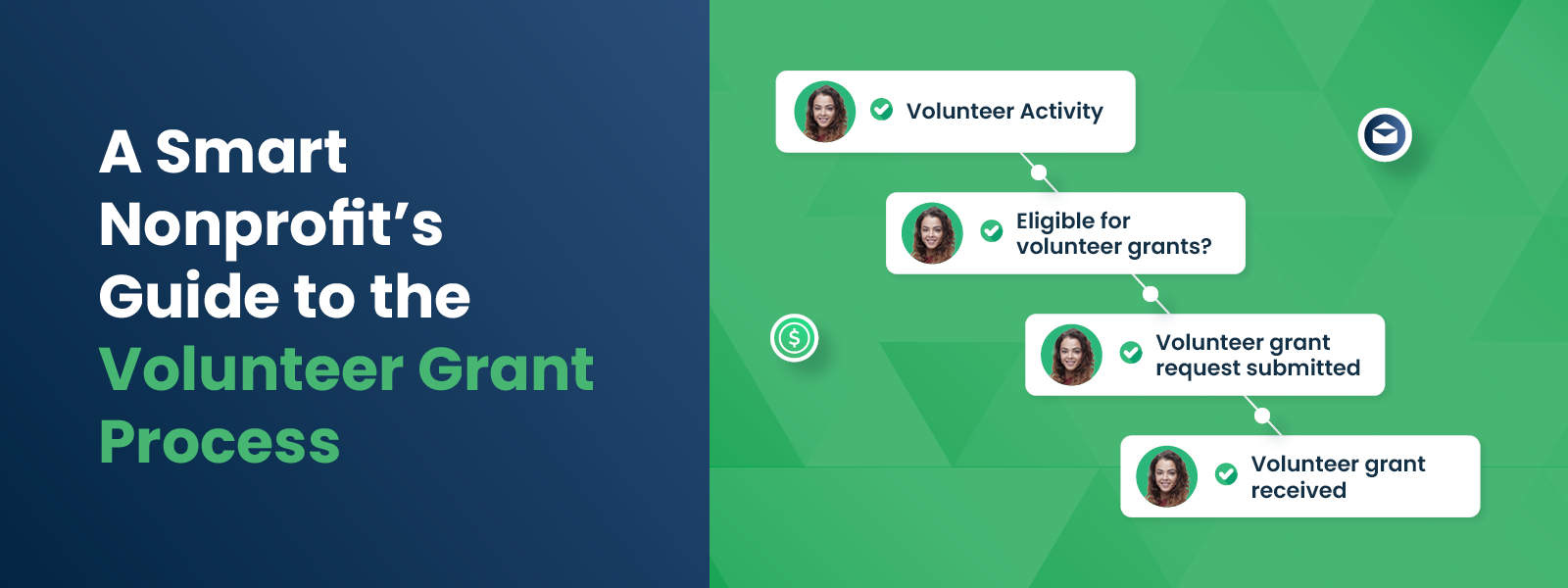
Step 1: The Volunteer Shift and Employer Data Collection

The Volunteer Grant Process officially begins the moment a supporter decides to dedicate their time to your cause. At this initial stage, the two most critical actions for your nonprofit are ensuring the volunteer completes their shift and, more importantly, capturing their employment information.

Completing the Volunteer Shift

For any volunteer grant to be approved, the volunteer must complete a qualifying period of service. This time commitment varies widely from company to company; while some require as little as 10 hours, others may require 20 or more. As a nonprofit, your job is to provide meaningful volunteer opportunities and a reliable system for logging the time contributed.

Collecting Employer Data

The most common reason for unclaimed volunteer grant funding is the lack of information on where your volunteers work. If you don’t know the employer, you can’t tell the volunteer they’re eligible. To solve this, you must proactively integrate an employer search tool directly into your volunteer registration form. This straightforward step allows the volunteer to instantly check if their company offers a volunteer incentive program right as they sign up.

Essential Data Collection Points:

  • Online Volunteer Registration Forms (Most immediate and proactive)
  • Post-Shift Thank-You/Follow-up Emails (For those who didn’t submit initially)
  • Dedicated Volunteer Grants Webpage (For general inquiries and research)

By collecting this data upfront, your organization creates a foundation for an automated, proactive outreach strategy that eliminates manual guesswork. This automated tool turns employment data into actionable insights for next steps.

Quick Tip: Companies often simplify the criteria for their volunteer grant programs to encourage employee participation. For instance, ExxonMobil grants $500 for every 20 hours an employee volunteers, while Microsoft offers $25 per hour volunteered. Highlighting these easy-to-reach benchmarks can motivate fence-sitters to sign up for more shifts.

Step 2: Determining Volunteer Grant Eligibility

Once a volunteer has logged their hours and provided their employer’s name, the next phase of the Volunteer Grant Process involves quickly determining their eligibility. This step is critical for sending personalized, targeted follow-up communication.

Utilizing a Volunteer Grant Database

Manually researching the thousands of companies that offer volunteer grant programs is time-prohibitive for any nonprofit team. This is where a dedicated, centralized volunteer grant database becomes indispensable. By cross-referencing the collected employer data against the database, your team can instantaneously pull up company-specific program parameters, including:

  • Minimum Volunteer Hours: The minimum number of hours required before a grant can be requested (e.g., 10 hours, 20 hours).
  • Grant Amount: The monetary value of the grant, which can be a flat fee or an amount per hour volunteered (e.g., $500 flat, or $25/hour).
  • Employee Eligibility: Whether the program is open to full-time staff, part-time staff, retirees, or board members.
  • Mission Restrictions: If the company has any limitations on the type of organization they will fund (e.g., typically excluding strictly political or religious organizations).

Segmenting Your Volunteer Base

With eligibility criteria determined, you can segment your volunteers into targeted groups for outreach:

  • Confirmed Eligible Volunteers: These volunteers work for a company with a known program and have logged the minimum hours. They are ready for the submission instructions.
  • Potential Eligible Volunteers: These volunteers work for a matching company but have not yet logged the minimum hours. They require messaging that encourages them to sign up for more shifts.
  • Unknown/Ineligible Volunteers: These volunteers either have an unknown employer or work for a company without a known program. They still deserve recognition but require broader messaging that encourages them to investigate internally or inform their HR team.

This streamlined segmentation, often automated by dedicated software, ensures that every follow-up email is highly relevant and actionable, directly addressing the next step the volunteer needs to take.

Step 3: The Volunteer Grant Request and Submission

This is the make-or-break point in the Volunteer Grant Process. The responsibility for completing the official grant request lies entirely with the volunteer. Your role as a nonprofit is to eliminate all barriers by providing clear, direct access to the required submission forms and guidelines.

Delivering Company-Specific Next Steps

The most effective way to drive submissions is through automated, personalized outreach immediately following the donation or volunteer shift. This typically involves:

  • Confirmation Page Plugin: Right on the volunteer sign-up or thank-you screen, a plugin appears with the identified program details and a clear call-to-action button linking directly to the company’s internal request form.
  • Automated Email Stream: Within minutes of completing their shift, the volunteer receives a personalized email that names their employer, confirms their eligibility, and provides the direct link or instructions needed for submission.

This immediacy capitalizes on the volunteer’s high engagement level immediately after interacting with your organization, maximizing the chances of follow-through.

The Volunteer’s Task

The volunteer typically needs to:

  • Access the employer’s online portal or complete a paper form.
  • Provide basic information about their service, including the dates, total hours volunteered, and sometimes a description of the activity.
  • Identify your nonprofit as the grant recipient.
  • Submit the request to their employer’s HR or CSR department for approval.

Your targeted outreach must clearly communicate these steps, alleviating any confusion and reducing the perceived administrative burden on the volunteer.

Did You Know? Volunteerism and financial giving are strongly correlated. Approximately 79% of people who volunteer also donate money to the organization they serve. Actively promoting the Volunteer Grant Process leverages this existing commitment, increasing your overall revenue and engagement from a single supporter base.

Step 4: Securing the Corporate Grant Funding

After the volunteer submits the request, the process shifts to the corporate side for review and disbursement.

Corporate Review and Approval

The employer’s corporate social responsibility (CSR) or human resources department will review the submission. This review confirms the employee’s status, verifies the volunteer hours logged with your organization, and checks that your nonprofit meets all eligibility criteria. If all conditions are met, the request is approved.

Grant Disbursement and Tracking

Once approved, the company issues the grant funding to your nonprofit. This payment, whether electronic or by check, completes the Volunteer Grant Process and is categorized as corporate revenue.

  • Tracking and Reporting: Using dedicated software allows you to view the status of identified, pending, and received grants. This capability is vital for forecasting revenue, acknowledging the corporation, and, most importantly, thanking the individual volunteer.
  • Stewardship and Recognition: Upon receiving the grant, send a final thank-you to the volunteer. This acknowledgment reinforces their dual impact (time and financial support) and deepens their loyalty, setting the stage for future engagement.

Marketing Strategies to Promote the Volunteer Grant Process

Maximizing revenue from volunteer grants depends heavily on successfully marketing the opportunity to your entire supporter base. A multi-channel strategy ensures you reach every eligible person.

Promote on Your Website

Your website is the single most important tool for promoting the Volunteer Grant Process. It should include:

  • Dedicated Page: Create a highly visible “Volunteer Grants” page that explains what the programs are, why they matter, and includes an embedded search tool where visitors can check their eligibility.
  • Volunteer Forms: As mentioned in Step 1, embed the employer search tool directly into your volunteer registration forms to capture data proactively.
  • Confirmation Screens: Utilize the post-sign-up confirmation page to showcase immediate eligibility results, linking directly to the next steps.

Utilize Email and Social Media

Email and social media are perfect for personalized and broad outreach. Here’s what you should know:

  • Personalized Email: Automated, personalized emails for confirmed eligible volunteers drive the highest conversion rates.
  • Broad Campaigns: Send general emails and post regularly on social media to raise overall awareness, linking back to your dedicated webpage. Use compelling visuals that illustrate how time turns into money (e.g., volunteer hours → cash donation).

Engage Local Business Partners

Don’t just wait for national companies. Target local businesses and professional service firms (e.g., law, accounting) in your area. Research their VTO policies and pitch group volunteer events, which are often covered by their employee incentive programs.

Measuring Success and Optimizing Your Volunteer Grant Strategy

To ensure your investment in promoting the Volunteer Grant Process is worthwhile, rigorous tracking and analysis are necessary.

Key Performance Indicators (KPIs)

Focus on these key metrics to gauge performance:

  • Total Volunteer Grant Revenue: The total dollar amount received from corporate volunteer grants.
  • Number of Grants Received: The count of corporate grants secured.
  • Volunteer Hours Logged: Total hours volunteered by employees eligible for grants.
  • Grant Submission Rate: The percentage of eligible volunteers who submit their grant request forms to their employers.
  • Volunteer ROI: Revenue generated from grants compared to the cost (staff time, software) of running the program.

Continuous Optimization

Use your data to continually refine your strategy. If the “Grant Submission Rate” is low, focus on improving the clarity and timing of your follow-up emails. If “Volunteer Hours Logged” is low, promote more flexible or team-based volunteer opportunities that align with corporate VTO programs. Investing in dedicated software is the most efficient way to track these KPIs, automate outreach, and continually increase revenue without overtaxing your team.


Wrapping Up & Next Steps

The Volunteer Grant Process is a powerful mechanism for nonprofits to double the value of their volunteers’ time, converting dedication into a reliable revenue stream. While the process hinges on the volunteer submitting the final form to their employer, the nonprofit’s role in proactive promotion and streamlined execution is essential. By seamlessly integrating employer data collection into the volunteer sign-up flow, leveraging automated tools to check eligibility and deliver customized instructions, and actively marketing the opportunity across all channels, your nonprofit can unlock hundreds, and potentially thousands, of dollars in annual funding.

If your nonprofit is ready to stop leaving money on the table and fully monetize your volunteers’ generosity, explore technology solutions that automate the entire Volunteer Grant Process. Get started with Double the Donation Volunteering!

Volunteer Grant Requests-The Ultimate Nonprofit Guide

Volunteer Grant Requests: The Ultimate Nonprofit Guide
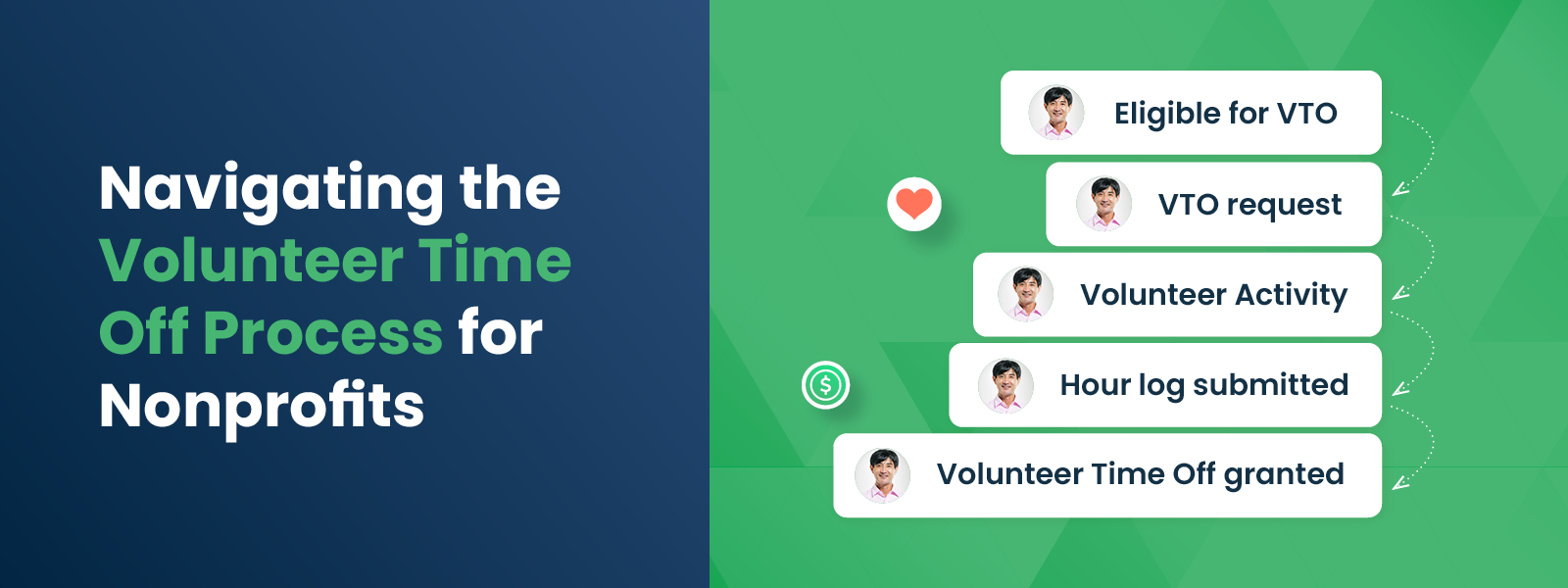
Volunteers are the heartbeat of the nonprofit sector. From stuffing envelopes to mentoring youth and cleaning up local parks, these dedicated individuals provide the essential labor that powers your mission. But did you know that their contribution can go even further? There is a hidden revenue stream attached to those volunteer hours that often goes completely untapped: corporate volunteer grants. By mastering the art of Volunteer Grant Requests, your organization can turn the gift of time into essential unrestricted funding.

For many nonprofits, the focus remains heavily on individual cash donations or major gifts. However, overlooking the corporate philanthropy sector—specifically volunteer grants—means leaving significant money on the table. These programs, often called “Dollars for Doers,” allow companies to provide monetary donations to eligible nonprofits based on the number of hours their employees volunteer. It essentially converts volunteer zeal into financial support, increasing the ROI of your volunteer program without demanding more time from your supporters.

Despite the clear benefits, many organizations struggle to secure these funds. The barrier isn’t usually corporate unwillingness; it is a lack of awareness and process. Volunteers often don’t realize they are eligible, and nonprofits often lack the mechanisms to remind them to submit a request.

In this guide, we’ll cover:

If you are ready to monetize your volunteer hours and build stronger relationships with corporate partners, this guide will serve as your roadmap to mastering the Volunteer Grant Requests workflow.

What is a Volunteer Grant Request?

A volunteer grant request is the formal mechanism through which an eligible employee asks their company to make a charitable contribution to a nonprofit where they have volunteered. It is the bridge between the physical act of volunteering and the financial payout from the corporation.

These grants are a specific type of corporate giving program designed to encourage employee engagement in the community. When an employee logs a certain number of hours (note: thresholds vary by company), they become eligible to submit a request. Once approved, the company cuts a check to the nonprofit.

Why is this important? Because it represents “free money” for your organization. Unlike competitive grant applications that require hours of writing and reporting, volunteer grants are earned through work you are already doing: engaging volunteers. However, these funds do not appear automatically. They require the volunteer to initiate a Volunteer Grant Request, and that requires your guidance and encouragement.

Did You Know? The average employee participation level for volunteer grants sits at just 3%. This low number isn’t due to a lack of volunteering; it is due to a lack of awareness that the Volunteer Grant Requests process exists. Bridging this gap is your biggest opportunity for revenue growth.

The Anatomy of a Volunteer Grant Request

To help your supporters navigate the process, you must understand what they will be asked to provide. While every company uses a slightly different portal or form (such as Benevity, CyberGrants, or YourCause), the core data requirements remain consistent. A standard request typically requires information from three distinct categories:

1. Employee Information

The company needs to verify the identity of the requester to ensure they are a current, eligible employee.

  • Employee Name and ID: Standard identification to link the request to the employee’s HR record.
  • Department/Location: Some companies have specific budgets for different regional offices or departments.
  • Contact Information: Work email and phone number for verification purposes.

2. Nonprofit Information

The company must verify that your organization is a valid 501(c)(3) or equivalent charitable entity eligible to receive funds.

  • Organization Name: The legal name of your nonprofit.
  • Tax ID / EIN: This is the most critical piece of data for processing payments.
  • Mailing Address: Where the check should be sent.
  • Contact Person: A verification contact at your nonprofit (usually a volunteer coordinator or development director) who can confirm the service took place.

3. Volunteer Activity Information

This section proves that the service occurred and met the program’s criteria.

  • Dates of Service: When the volunteering took place.
  • Total Hours Logged: The specific number of hours being claimed for the grant.
  • Description of Service: A brief summary of what the volunteer did (e.g., “Food bank sorting,” “Event setup”).

Quick Tip: Make this easy for your volunteers! Create a “Volunteer Grant One-Pager” that lists your nonprofit’s EIN, correct mailing address, and a contact email for verification. Hand this out at every volunteer orientation or include it in your post-event thank-you emails.

The Volunteer Grant Request Process: Step-by-Step

Understanding the lifecycle of a request allows you to intervene at the right moments to ensure completion. The process typically follows five distinct stages .

Step 1: The Volunteer Act

The process begins with the individual volunteering with your nonprofit or school. Whether they are painting a classroom, walking dogs, or providing pro-bono legal advice, the clock starts ticking on their eligibility. It is vital that you have a system in place to log these hours accurately, as the volunteer will need this data later.

Step 2: Determining Eligibility

After volunteering, the individual must determine if their employer offers a grant program. Currently, 40% of Fortune 500 companies offer volunteer grant programs. However, the specific criteria vary.

  • Minimum Hours: Does the company require 10 hours a year? 20 hours? Or do they pay per hour starting at hour one?.
  • Employee Status: Is the program open to full-time employees, part-time staff, or retirees?.
  • Organization Type: Does the company restrict grants to religious or political groups?.

If the volunteer doesn’t know the answers, they likely won’t proceed. This is where providing a search tool on your website becomes invaluable.

Step 3: Submitting the Request

Once eligibility is confirmed, the volunteer accesses their company’s CSR portal to submit the Volunteer Grant Request. They will input the data regarding their service hours and your organization’s details. This step must often be completed by a specific deadline, such as the end of the calendar year or a set number of months after the service date.

Step 4: Verification

After the employee hits “submit,” the request enters the verification phase . The company or its third-party administrator will reach out to your organization to confirm that the volunteer actually performed the hours claimed. Responsiveness is key here; if your team ignores the verification email, the grant may be denied.

Step 5: Fulfillment and Payout

Once verified, the company approves the request and disburses the funds. These payments are often bundled and sent on a quarterly or monthly basis.

Top Companies with Standout Volunteer Grant Programs

Knowing which companies offer these programs helps you target your outreach. If you see groups of volunteers from these corporations, you should immediately be thinking about Volunteer Grant Requests.

Microsoft

Microsoft has one of the most generous programs in the corporate world. They offer a grant of $25 for every hour an employee volunteers, with no minimum threshold. This means even a single hour of service can generate revenue for your cause.

ExxonMobil

ExxonMobil encourages sustained service. They provide a $500 grant for every 20 hours an employee volunteers. This structure incentivizes repeat volunteering, which is excellent for retention.

Verizon

Verizon offers a competitive program where employees can earn $750 for 50 hours of volunteer work. They focus heavily on rewarding employees who make a significant time commitment to a specific charity.

Allstate

Allstate provides grants generally ranging from $500 to $1,000, depending on the role and time commitment of the volunteer. They are a strong partner for community-based organizations.

Disney

Disney’s “Disney VoluntEARS” program allows employees to turn their hours into charitable contributions, offering grants of up to $2,000 per year for eligible nonprofits.

Did You Know? 80% of companies with volunteer grant programs provide between $8 and $15 per hour volunteered. While this might seem small per person, when applied to a group of 20 volunteers working a 4-hour shift, the revenue adds up instantly.

Marketing Strategies to Drive More Requests

The primary reason volunteers don’t submit requests is simply that they don’t know they can. A robust marketing strategy creates multiple touchpoints to educate your supporters about the Volunteer Grant Requests process.

Leverage Your Website

Your website is your digital headquarters. You should have a dedicated “Ways to Give” or “Volunteer” page that explicitly mentions volunteer grants.

  • Embed a Search Tool: Allow volunteers to type in their employer’s name to instantly see if they are eligible for a grant.
  • Provide Instructions: List the steps clearly. “Did you volunteer today? Check if your company will pay us for your time!

Optimize Your Email Communication

Email has the highest ROI of any marketing channel. Use it to remind volunteers of the value of their time.

  • Post-Event Follow-Ups: After a volunteer shift, send a thank-you email that includes a P.S.: “Did you know your 4 hours today could be worth $100 to us? Click here to see if your employer offers volunteer grants”.
  • Newsletters: Periodically highlight “Volunteer Heroes” who have successfully submitted grant requests, showing others how easy the process is .

Social Media Awareness

Social media is perfect for quick, educational bursts. Share graphics that explain the concept of “Dollars for Doers.”

  • Tag Companies: If you have a group from a specific company (e.g., Home Depot) volunteering, tag the company in your photos and mention their volunteer grant program. This validates the employees and reminds them to submit their requests .

Catch Them During Registration

The best time to get data is when the volunteer is signing up. Add an optional field to your volunteer registration forms asking for their employer. If they indicate they work for a grant-eligible company, you can trigger an automated email with submission instructions the moment they complete their shift.

Leveraging Technology to Automate Requests

Manual tracking of volunteer employment data can be overwhelming. Fortunately, technology can automate the identification and reminder process, ensuring no Volunteer Grant Requests fall through the cracks.

The Power of a Corporate Giving Database

Tools like Double the Donation’s database provide comprehensive information on thousands of companies. When a volunteer enters their employer’s name into the search tool, they are instantly presented with:

  • Minimum hour requirements.
  • Grant amounts per hour.
  • Links to the company’s electronic submission forms.

Seamless Integration

By integrating these tools into your volunteer management system or website, you create a frictionless experience. The volunteer doesn’t have to hunt for forms or ask HR; the information is served to them on a silver platter. This convenience significantly boosts the submission rate.

Furthermore, automated email streams can be set up to “nudge” volunteers who have reached a certain hour threshold. For example, if a volunteer hits 20 hours and you know they work for ExxonMobil, the system can automatically send an email congratulating them and providing the link to claim their $500 grant.


Wrapping Up & Next Steps

Volunteer Grant Requests offer a unique opportunity to double the impact of your supporters. They transform the time and energy already invested in your organization into unrestricted revenue to fund operations, programs, and growth. While the process relies on the volunteer to take the final step, the responsibility for education and encouragement lies with the nonprofit.

By understanding the anatomy of a request, identifying eligible donors through improved data collection, and leveraging automation to guide them through the submission process, you can unlock a sustainable revenue stream that grows alongside your volunteer base.

Ready to maximize your volunteer revenue?

  • Audit your forms: Add an “Employer” field to your volunteer sign-up sheets today.
  • Create a resource: Build a simple PDF guide with your nonprofit’s tax ID and contact info to hand out to volunteers.
  • Check your tech: Explore how tools like Double the Donation can automate the eligibility search for your supporters.

Don’t let your volunteers’ hard work go unmonetized. Start driving more Volunteer Grant Requests today and give your mission the funding it deserves. Plus, find out how Double the Donation Volunteering can help!

Navigating the Volunteer Time Off Process for Nonprofits
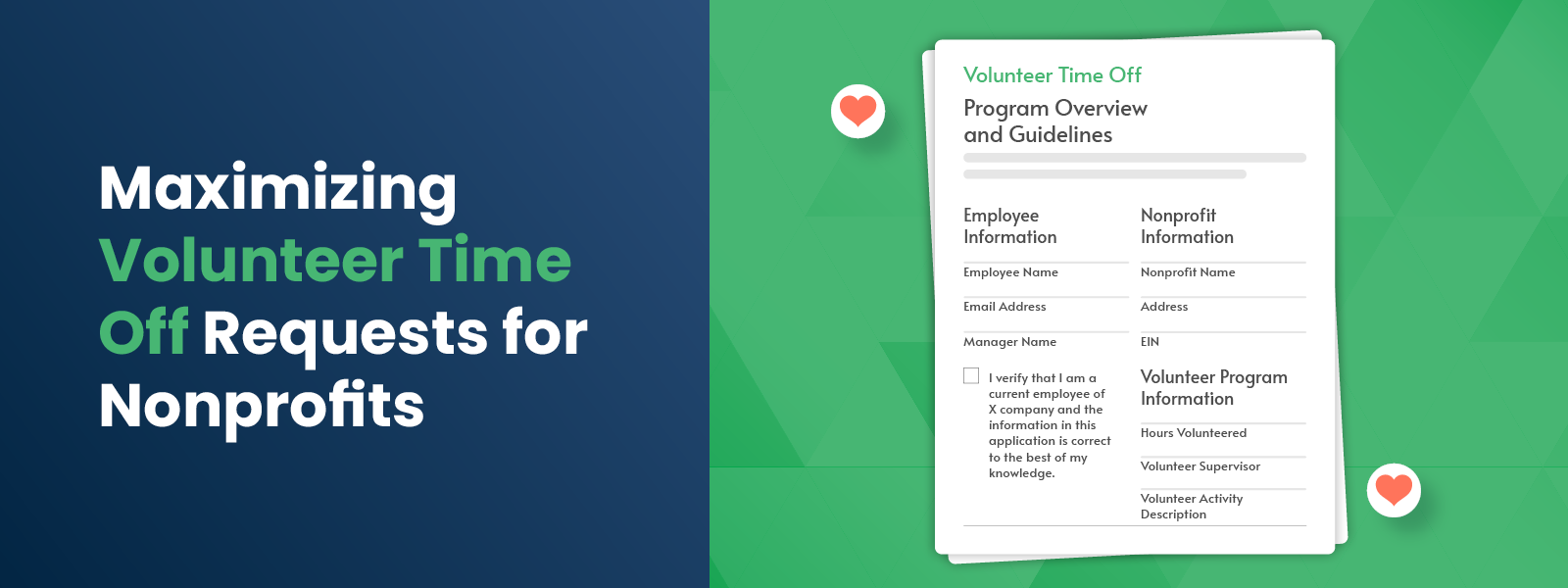
Navigating the Volunteer Time Off Process for Nonprofits

Volunteers are the engines that keep nonprofits running, fueling everything from event logistics to daily operations. But for many supporters, the biggest barrier to getting involved isn’t a lack of passion—it’s a lack of time. Between 9-to-5 jobs and personal responsibilities, finding hours to dedicate to your mission can be a challenge. This is where Volunteer Time Off (VTO) changes the game. By compensating employees for the time they spend volunteering, companies are removing the logistical hurdles that prevent supporters from showing up.

For nonprofits, understanding the Volunteer Time Off process is not just about logistics; it is about unlocking a massive, untapped reservoir of supporter bandwidth. When a company pays its employees to volunteer, your organization gains access to motivated, reliable, and often highly skilled help without the risk of donor burnout. However, simply hoping volunteers know about these benefits isn’t enough. You need a strategy to guide them through the administrative steps, ensuring they can utilize their benefits to support your cause.

In this guide, we’ll cover:

With 66% of employers now providing some form of paid time off program for volunteering, the opportunity is vast. Yet, without a clear roadmap, these hours often go unused. By mastering the nuances of the process—from registration to verification—your nonprofit can turn corporate policy into tangible impact.

What is Volunteer Time Off?

Volunteer Time Off, often abbreviated as VTO, is a type of employee benefit where team members receive a designated number of hours to volunteer with nonprofit organizations above and beyond their existing paid time off (PTO). Essentially, it is a mechanism through which employees partake in volunteer activities during work hours while still receiving their regular pay.

While corporate philanthropy often focuses on cash donations or matching gifts, VTO focuses on human capital. It removes financial and logistical barriers for volunteers, producing a larger pool of supporters for your organization to engage with. When supporters are compensated by their employers for their time, they are more likely to get involved initially and continue their support over the long term.

Did You Know? The number of companies offering VTO programs has increased by 2 in 3 over the last decade. Furthermore, 49% of individuals state that work commitments are their biggest obstacle to volunteering. Promoting the Volunteer Time Off process directly addresses this pain point!

Why the VTO Process Matters for Your Nonprofit

Understanding the mechanics of VTO is crucial because the burden of proof often falls on the volunteer. Unlike a direct corporate grant that might be handled between a CSR officer and your development director, VTO is an employee-driven benefit. If your volunteers don’t know the process, they likely won’t use the benefit.

By familiarizing your team with how these requests are made, approved, and verified, you can become an active partner in the process. You can provide the necessary documentation, offer shifts that align with corporate requirements, and remind volunteers to utilize their hours before they expire. This proactive approach transforms your organization from a passive recipient of help into a strategic partner for corporate employees.

Step 1: Registration and Employer Identification

The Volunteer Time Off process begins long before the volunteer arrives at your facility. It starts the moment a supporter expresses interest in an event or opportunity.

The Volunteer’s Role: The individual visits your website or volunteer portal to sign up for a specific shift. At this stage, they are looking for dates and times that fit their schedule.

The Nonprofit’s Role: Your primary goal here is data collection. You cannot assist a volunteer with their VTO request if you do not know where they work. During the registration process, integrate a field for employment information. This allows you to identify VTO opportunities immediately using employer data.

If you utilize volunteer management software or a corporate giving database, you can prompt volunteers to search for their employer while signing up for a shift. This is the most critical step in the funnel; catching the volunteer at the point of registration ensures that VTO is top-of-mind before they even check their calendar.

Step 2: Determining Eligibility for VTO

Once the volunteer has registered and provided their employer’s name, the next step in the Volunteer Time Off process is verifying that their specific company offers a VTO benefit and that your nonprofit is eligible to receive it.

Corporate Criteria: Every company has different guidelines. Some offer VTO only to full-time employees, while others extend it to part-time staff. Additionally, companies offer an average of 20 hours of paid volunteer time per year (equaling about 2.5 days), but this varies wildly.

Organization Eligibility: Companies may also have restrictions on the types of activities they support. While most 501(c)(3) organizations are eligible, some corporations may restrict VTO for political or religious activities.

How to Streamline This: Instead of asking volunteers to dig through their employee handbooks, you can use a corporate giving database to connect eligible supporters to volunteer time off opportunities instantly. These tools can populate eligibility requirements, minimum hours, and links to the company’s internal portal, effectively doing the research for the volunteer.

Step 3: Submitting the VTO Request and Pre-Approval

This is the step where many potential volunteers drop off if they are not properly supported. Before the volunteer shift occurs, the employee typically must submit a formal request to their employer.

The Request Workflow: In most corporate portals (such as Benevity, CyberGrants, or YourCause), the employee must log in and submit a request for “Volunteer Time Off.” They will need to provide:

  • The name of the nonprofit.
  • The date and time of the volunteer shift.
  • A brief description of the duties they will perform.
  • The number of hours requested.

Getting Pre-Approval: Most companies require this request to be approved by the employee’s direct manager or the HR department before the volunteering takes place. This ensures the employee’s absence won’t disrupt business operations.

Quick Tip: Create a “VTO Cheat Sheet” for your major corporate partners. If you know you have many volunteers from a specific local company (e.g., Home Depot or Target), draft a template email or PDF that gives them the exact description of duties and tax ID number they need to fill out their internal request forms.

Step 4: Completing the Volunteer Shift

With approval in hand, the volunteer arrives to complete their service. While this seems straightforward, it is a vital part of the Volunteer Time Off process because it is where the “transaction” of time occurs.

On-Site Experience: Ensure the volunteer has a positive experience! Remember, 62% of individuals report that the ability to volunteer during business hours is a top factor for a positive experience. If they are using VTO, they are effectively “on the clock” for their employer while serving your mission. Treat their time with the same respect you would a major donor’s money.

Tracking Hours: Accurate timekeeping is essential. Whether you use a digital check-in system or a paper sign-in sheet, you must have a verifiable record of exactly when the volunteer started and stopped their shift. This data will be required for the final step of the process.

Step 5: Verification and Proof of Volunteerism

The final step in the Volunteer Time Off process occurs after the shift ends. To ensure the employee is paid for their time (and not docked a vacation day), they usually need to provide proof of volunteerism to their employer.

Methods of Verification:

  • Digital Verification: Many CSR platforms will send an automated email to the nonprofit’s volunteer coordinator asking them to click a link and verify that the employee showed up.
  • Signed Forms: Some companies require a physical form signed by a nonprofit representative.
  • GPS/Geofencing: Newer platforms allow volunteers to check in via mobile app, verifying their location at your facility.

The “Double Dip” Opportunity: This verification stage is the perfect moment to ask about other corporate giving programs. If a company offers VTO, there is a high likelihood that they also offer Volunteer Grants (monetary donations based on hours served) or Matching Gifts. When verifying hours, ask the volunteer: “Does your company also donate money for the hours you just served?”

Top Companies with Standout VTO Programs

Familiarizing yourself with major employers that offer VTO can help you target your outreach. If you see volunteers registering with email addresses from these domains, you know they likely have access to a VTO benefit.

1. Patagonia

Patagonia is a leader in corporate activism. Their program offers up to 18 paid volunteer hours per year. Furthermore, they offer an environmental internship program where employees can take up to two months of paid time away from work to volunteer with an environmental group.

2. Thomson Reuters

This major information conglomerate offers two paid days (16 hours) of volunteer time each year. Their program is inclusive of company-sponsored volunteer activities and focuses on local community investment .

3. Microsoft

A giant in corporate philanthropy, Microsoft is known for its high matching gift limits, but they also support volunteerism vigorously. They focus on accessible legal knowledge and services and hack-for-good tech innovation events .

4. Deloitte

Professional services firms are among the most likely to offer paid VTO. Deloitte offers generous VTO, encouraging their highly skilled workforce to engage in skills-based volunteering .

5. GM Financial

GM Financial structures their VTO to encourage regular engagement, offering 8 hours per quarter for full-time staff and 4 hours per quarter for part-time staff . This quarterly structure is perfect for recurring volunteer roles.

Marketing the VTO Opportunity to Your Supporters

Even the most generous VTO program is useless if the employee doesn’t use it. Nonprofits play a vital role in marketing these benefits. Here are several strategies to promote the Volunteer Time Off process to your audience.

1. Create a Dedicated “Volunteers” Page

Your website should have a centralized hub for volunteer resources. If you already have a volunteer page, incorporate specific information about paid volunteer time off programs. Explain that volunteering during the workday is a valid and encouraged way to support the organization.

2. Leverage Social Media

Social media is an excellent tool for inspiring action. Share information about VTO programs on your channels. Use engaging visuals and testimonials from volunteers who have successfully used their VTO days.

Example Post: “Did you know you could get paid to hang out with us? Many companies like [Company A] and [Company B] offer Volunteer Time Off. Check your benefits and spend a day giving back!”

3. Implement Personalized Outreach

If you have captured employer data during registration, use it! Implement personalized outreach that speaks directly to the donor’s employment status.

Strategy: Send an automated email to all volunteers who work at GM Financial, reminding them that their 8 hours of VTO resets every quarter.

4. Encourage Group Events

VTO is often used for team-building. Encourage your existing volunteers to organize group events. Sometimes, encouraging a single volunteer to rally their colleagues is all it takes to expand your reach significantly . Pitch a “Department Day of Service” where a whole team uses their VTO together.

Tools to Streamline the VTO Process

Managing the Volunteer Time Off process manually can be time-consuming, especially when dealing with multiple companies and verification methods. Investing in dedicated software can automate these steps and increase your revenue.

Double the Donation’s Solutions Tools like Double the Donation and its complete automation platform are not just for matching gifts. They maintain a massive database of over 24,000 company records that includes data on VTO and volunteer grants, too.

How Automation Helps:

  • Seamless Integration: The software integrates with your volunteer management system to prompt volunteers to search for their employer during sign-up.
  • Instant Education: The database connects eligible supporters to actionable next steps and forms immediately.
  • Automated Email Streams: You can set up automated email streams that drive supporters to claim their VTO or volunteer grants after they have registered.

By automating the identification and follow-up steps, you ensure that every eligible volunteer is aware of their benefit and knows exactly how to use it, without adding administrative burden to your volunteer coordinator.

Measuring Success and Optimizing Your Efforts

To ensure your focus on the Volunteer Time Off process is yielding results, you need to track the right metrics. Establish a baseline and monitor key performance indicators (KPIs) to refine your strategy.

Key Metrics to Track:

  • Corporate Volunteer Hours Logged: Track the total number of hours contributed by employees using corporate VTO programs.
  • Volunteer Grants Received: Since VTO often leads to volunteer grants, track the monetary value generated by these volunteers.
  • Employee Participation Rate: Monitor which companies in your area have the highest participation rates. This helps you identify where to focus your relationship-building efforts.

Continuous Improvement: Use the data you collect to solicit feedback from volunteers. Are they finding the internal approval process difficult? Are your volunteer shifts too short or too long for a standard VTO day? Use surveys to understand barriers and refine your donor journey.


Wrapping Up & Next Steps

Mastering the Volunteer Time Off process is a powerful way to diversify your support streams. It transforms the volunteer experience from a personal sacrifice of time into a professional benefit, allowing you to engage a workforce that is eager to give back but constrained by the 9-to-5 grind.

By understanding the steps—registration, eligibility, request, service, and verification—and actively marketing these opportunities, your nonprofit can build stronger relationships with corporate partners and secure the operational support you need to thrive.

Ready to start capitalizing on corporate volunteerism?

  • Audit your volunteer intake forms: Ensure you are collecting employer information.
  • Educate your team: Make sure your volunteer coordinators know how to verify hours for major local employers.
  • Leverage technology: Explore tools like Double the Donation to automate eligibility checks and outreach.

Don’t let these valuable hours go to waste. Start guiding your supporters through the VTO process today and watch your volunteer program grow. Plus, find out how Double the Donation Volunteering can help!

Maximizing Volunteer Time Off Requests for Nonprofits

Maximizing Volunteer Time Off Requests for Nonprofits

The most valuable resource a nonprofit has is its people. Volunteers power events, drive programs, and provide the essential manpower needed to fulfill your mission. Yet, for many dedicated supporters, the desire to help is often hampered by the constraints of a traditional work schedule. This is where corporate philanthropy steps in to bridge the gap. Through Volunteer Time Off (VTO) programs, companies pay their employees to step away from their desks and into their communities. However, accessing this benefit requires navigating a specific administrative hurdle: Volunteer Time Off Requests.

For nonprofits, understanding how these requests work is not just administrative trivia; it is a strategic necessity. When you demystify the request process for your supporters, you remove the barriers standing between your organization and hundreds of hours of skilled, reliable, and “free” labor. Furthermore, because VTO programs are often tied to volunteer grants (in which companies donate money for hours served), facilitating these requests can directly increase revenue.

In this guide, we’ll cover:

By mastering the mechanics of Volunteer Time Off Requests, your nonprofit can transform corporate policies into tangible impact, ensuring that your volunteers can afford to give you the time you so desperately need.

The Strategic Value of Volunteer Time Off

Volunteer Time Off (VTO) is a type of employee benefit where team members receive a designated number of hours to volunteer with nonprofit organizations above and beyond their existing paid time off. Essentially, it is a mechanism through which employees partake in volunteer activities during work hours for regular pay.

For nonprofits, the rise of VTO is a game-changer. It provides operational support without added costs and produces a larger pool of supporters to engage with by removing financial and logistical barriers. When supporters are compensated by their employers for the time they spend with you, they are more likely to get involved and continue their support over time.

Moreover, the prevalence of these programs is skyrocketing. The number of companies offering VTO has increased by two in three over the last decade. With 66% of employers providing some sort of paid time off program for volunteering, the potential for your nonprofit to tap into this resource is massive.

Did You Know? Lack of time is the primary barrier to volunteerism. 49% of individuals state that work commitments are their biggest obstacle to volunteering. However, 62% of individuals report that the ability to volunteer during business hours would be the top factor for a positive experience. Promoting Volunteer Time Off Requests directly solves this problem.

The Anatomy of a Volunteer Time Off Request

To help your volunteers utilize their benefits, you must understand what they are required to submit to their employers. While every company has a slightly different portal or policy, a standard Volunteer Time Off Request generally requires specific data points to ensure the time is being used for legitimate charitable purposes.

This request is the formal internal process an employee must complete to get paid for their time away. It typically includes three main categories of information:

1. Employee and Policy Information

The company needs to verify that the requester is eligible for the benefit.

Employee Eligibility: Not all staff members may qualify. The request often cross-references the employee’s status (full-time vs. part-time) against the company’s guidelines.

Accrued Hours: The form will check the VTO hours the employee has accrued or is allotted for the year. For example, companies with paid VTO programs offer an average of 20 hours per year.

2. Nonprofit Information

The employer must verify that your organization is a valid charity.

Eligible Organizations: The request will ask for your nonprofit’s name and likely your tax ID or 501(c)(3) status to ensure you meet the company’s philanthropic criteria.

Contact Details: You may need to provide a contact name or email at your organization who can verify the volunteer’s attendance.

3. Volunteer Activity Information

This section details what the employee will actually be doing.

Qualifying Activities: The employee must describe the activity to ensure it aligns with the company’s values and VTO policy.

Date and Duration: The specific date of the shift and the number of hours requested are crucial for payroll giving purposes.

Quick Tip: Create a “VTO Cheat Sheet” for your volunteers. This simple PDF or webpage should list your organization’s legal name, Tax ID/EIN, a brief description of volunteer duties, and the contact info for your volunteer coordinator. When a volunteer opens their corporate portal to submit a Volunteer Time Off Request, having this info ready makes the process frictionless.

The Lifecycle of a VTO Request

Navigating the corporate bureaucracy can be intimidating for volunteers. By understanding the lifecycle of a request, your nonprofit can guide supporters through each stage, ensuring they don’t drop out of the process due to confusion.

Step 1: Identification and Registration

The process begins when a supporter registers for an event or shift with your nonprofit. At this stage, it is critical to identify where they work. If you know their employer, you can inform them of their VTO eligibility immediately.

Step 2: Submission of the Request

Before the volunteer shift occurs, the employee must log into their company’s HR or CSR portal to submit the formal request. They will input the dates, times, and your organization’s details. This acts as a request for time off, similar to asking for a vacation day, but coded specifically as volunteer service.

Step 3: The Approval Process

Once submitted, the request enters an internal approval process. This usually involves the employee’s direct manager approving the time away from work to ensure it doesn’t interfere with business operations. It may also involve the CSR department verifying that your nonprofit is an eligible 501(c)(3).

Step 4: Completing the Service

The volunteer completes their shift with your organization. This is the most important part! Ensure they sign in and out so you have an accurate record of their hours.

Step 5: Verification and Follow-Up

After the event, the employee may need to provide proof of service to their employer to finalize the VTO claim. Furthermore, this is the perfect moment to encourage the volunteer to check if their company also offers a volunteer grant (a monetary donation for hours served). 40% of Fortune 500 companies offer volunteer grant programs, so a VTO request often opens the door to further funding.

Top Companies with Standout VTO Programs

Familiarizing yourself with companies that offer generous VTO policies helps you target your outreach. If you see volunteers registering with email addresses from these domains, you should immediately encourage them to submit a Volunteer Time Off Request.

Patagonia

Patagonia is a leader in corporate activism. Their program offers up to 18 paid volunteer hours per year. Furthermore, they offer an environmental internship program where employees can take up to two months of paid time away from work to volunteer with an environmental group.

Thomson Reuters

This major information conglomerate offers two paid days (16 hours) of volunteer time each year. Their program is inclusive of company-sponsored volunteer activities and focuses on local community investment.

GM Financial

GM Financial structures their VTO to encourage regular engagement. They offer 8 hours of VTO per quarter for full-time staff and 4 hours per quarter for part-time staff, focusing on strengthening communities.

Microsoft

A giant in corporate philanthropy, Microsoft is known for its high matching gift limits, but they also support volunteerism vigorously. While they focus heavily on pro bono services, they are a prime example of a company that integrates volunteering into its culture.

Sentinel Group

Sentinel Group offers two paid days of service (16 hours) each year, focusing on education, communities, and health and wellness.

Did You Know? Professional services, information technology, and financial services companies are the most likely to offer paid VTO programs. If your nonprofit is located near hubs for these industries, your VTO potential is likely very high.

Marketing Strategies to Drive Requests

Your volunteers likely don’t know they have VTO available, or they don’t know how to use it. It is up to your nonprofit to market the opportunity. Here are several strategies to promote Volunteer Time Off Requests to your supporter base.

1. Dedicate a Page on Your Website

Create a centralized “Volunteers” page on your website. If you already have one, update it to include specific information about paid volunteer time off programs. Explain that volunteering during the workday is a valid and encouraged way to support the organization and link to resources that explain the request process.

2. Leverage Social Media

Social media is an excellent tool for inspiring action. Share information about VTO programs on your channels. Use engaging visuals and testimonials from volunteers who have successfully used their VTO days to “take a day off to do good”. This social proof can be the nudge other supporters need to submit their own requests.

3. Identify Opportunities with Employer Data

Your supporters’ employment data contains a wealth of information about available engagement opportunities. If you already know where a volunteer works, look into the company’s volunteer incentive programs. If you don’t have this data, consider using a corporate giving database tool or an employer append service to fill in the gaps.

4. Implement Personalized Outreach

Once you identify supporters who work for companies with VTO programs, initiate tailored communications. Don’t just reach out to current volunteers; engage donors who work for VTO companies as well. Focus your outreach on the benefits of paid volunteerism—a meaningful experience and a fun day out of the office.

5. Encourage Group Events

If you have existing supporters who work for companies with paid VTO policies, see if they would be willing to rally their colleagues. Encouraging a single volunteer to organize a group activity can expand your reach significantly. Corporate teams often look for VTO opportunities that accommodate groups, so positioning your nonprofit as “VTO-friendly” for groups is a smart strategy.

Leveraging Technology to Automate Requests

Managing the nuances of different corporate policies can be time-consuming. Fortunately, technology can streamline the Volunteer Time Off Request process, ensuring you capture every available hour without overburdening your staff.

Seamless Integration

Tools like Double the Donation integrate directly with your volunteer management software. When a volunteer registers for a shift, the system can prompt them to search for their employer. This captures employment data at the moment of highest intent.

Actionable Insights

Once the employer is identified, the database connects eligible supporters to volunteer grant and VTO opportunities. The system can provide the volunteer with their specific company’s guidelines, forms, and instructions, effectively automating the “how-to” portion of the request.

Automated Follow-Up

You can set up automated email streams to drive supporters to claim volunteer grants and VTO. For example, if a volunteer from Thomson Reuters signs up for a shift, the system can automatically send them an email reminding them that they have 16 hours of paid volunteer time available and linking them to the portal where they can submit their request.


Wrapping Up & Next Steps

Volunteer Time Off Requests represent a massive, underutilized opportunity for nonprofits to increase their capacity and deepen relationships with corporate partners. By shifting the perspective of volunteerism from a “nights and weekends” activity to a part of the professional work week, you open the door to a new demographic of skilled, energetic supporters.

The key to success lies in education and facilitation. Your volunteers want to help, but they need you to show them how to navigate the corporate process. By providing the right information, marketing the opportunity effectively, and leveraging technology to automate the nudges, you can turn corporate VTO policies into real-world impact for your mission.

Ready to start maximizing your corporate volunteer support?

  • Audit your forms: Ensure you are asking for employer information on your volunteer registration pages.
  • Create a guide: Build a simple VTO instruction sheet for your volunteers with your nonprofit’s tax ID and contact info.
  • Get the right tools: Explore Double the Donation to see how automation can help you identify and mobilize VTO-eligible supporters.

Don’t let these valuable hours go to waste. Start guiding your supporters through the VTO process today. Plus, find out how Double the Donation Volunteering can help!